
“To the countryside? To lose weight? Why should I leave when we’re together?” Her voice trembled, her eyes filled with tears. Štěpán just shrugged, as if he were speaking about something completely ordinary.
That evening, as Káťa packed, a silent storm raged inside her. Every piece of clothing she threw into the suitcase felt like a symbol of her departure—from her own life, from the home she had once loved, and from the man she had once believed would be her partner for life.
The journey to the village was long and silent. Štěpán sat beside her, absorbed in his phone, which constantly buzzed—surely messages from his secretary. Each vibration felt like a dagger to Káťa’s heart, confirming that Štěpán was no longer her husband but someone entirely detached from love.
In the small village, her grandmother’s house awaited. At first glance, it seemed idyllic—blooming gardens, fields, birdsong. But for Káťa, it was an invisible prison. “Lose weight…” she repeated to herself, “as if that’s the only way to survive.” The night was long and lonely. Káťa sat by the window, watching the moon cast its silver glow over the garden, a hollow ache gripping her chest.
Morning came harshly. Getting up was painful. The village routine—walks, garden work, simple meals—constantly reminded her of her humiliation. Meanwhile, Štěpán was at home, enjoying his freedom with his secretary.
But fate has its own twists. One day, while working in the garden, Káťa met the elderly neighbor, Mrs. Ludmila, who looked at her with piercing eyes. “Girl, I know why you’re here. But remember—if you let someone put you down, you will never know how strong you really are.”
Mrs. Ludmila’s words were like a spark in the darkness. Káťa began to strengthen herself—not for a man, not for losing a few pounds, but for herself. Each morning run, every garden task, every glance in the mirror that was not judgmental but filled with determination, empowered her.
Meanwhile, Štěpán believed he still had control. He didn’t see how Káťa was growing, transforming—not just physically, but mentally. When she decided, months later, to return home, she was a different woman. Her eyes shone with a spark Štěpán could never extinguish, and her step said: “You have no power over my life anymore.”
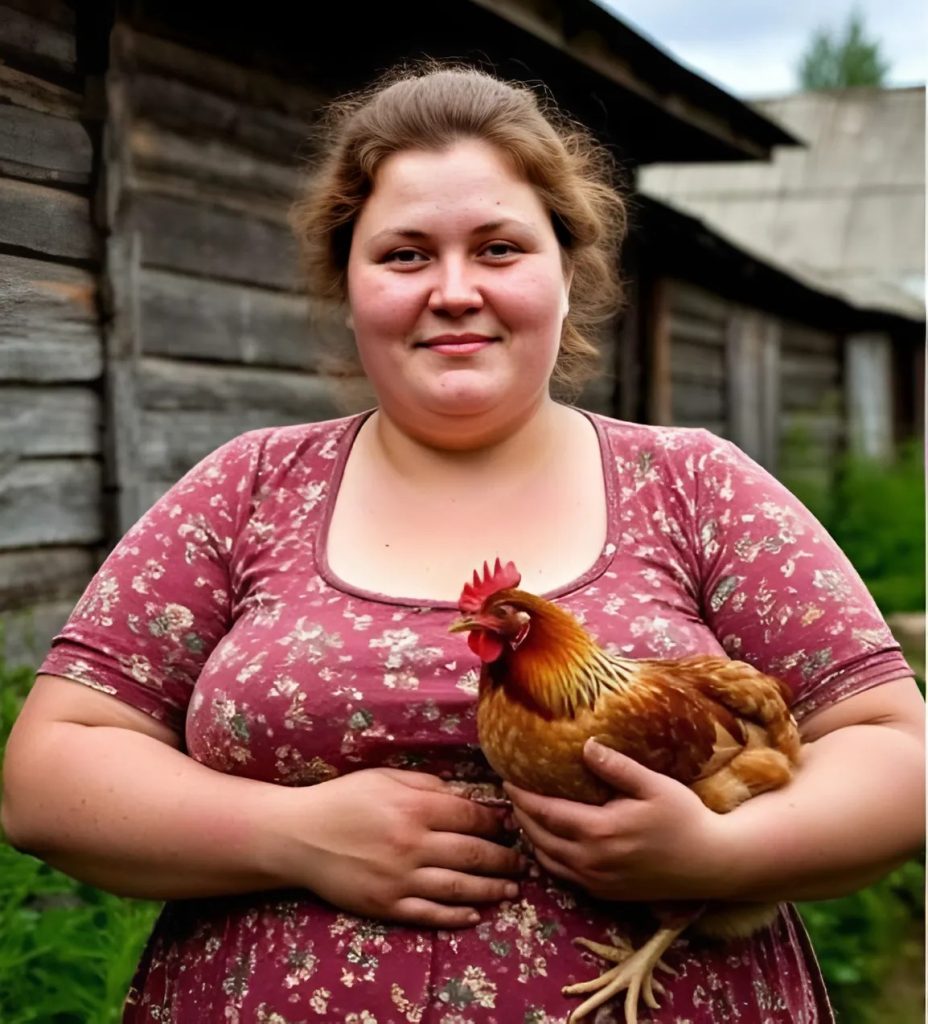
When she arrived at the house, Štěpán stood at the door, stunned. “Káťa…” he began, but she interrupted him. “No,” she said calmly but firmly. “You do not decide my happiness. I have lived, I have suffered, and now I am free.”
That evening, Štěpán realized that his game was over. His manipulations, his secret pleasures with his secretary—none of it mattered anymore. Káťa had returned stronger, independent, and with an indomitable spirit.
Thus, the village that was meant to be a place of humiliation became the cradle of her newfound strength. Káťa had found herself—and with it, true freedom, a freedom that no man, no manipulation, could ever take away.