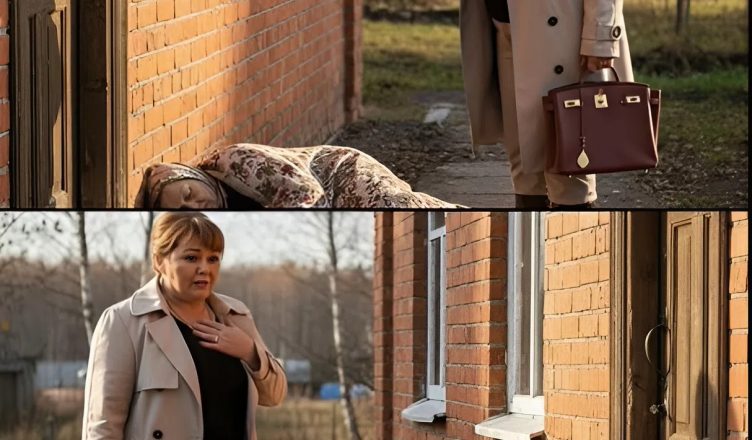
I slowly bent down, took off my coat, and gently covered my sister with it. She shivered, opened her eyes, and for a second didn’t recognize me. There was no surprise in her gaze—only deep exhaustion, the kind that comes from years of humiliation.
— It’s all right now, I whispered. — I’m here.
She tried to sit up, but her strength failed her. I helped her, then straightened up.
The music was still playing. Laughter, the clinking of glasses. Yet the atmosphere had shifted. Conversations died out. Guests began to turn toward us. My son stood a few steps away, staring at me with irritation, as if a stranger had ruined his celebration.
— Who are you? he snapped. — Get her out of here!
I stood up straight. Slowly. Calmly. And looked him directly in the eyes.
— You really don’t recognize me? I asked evenly.
A heavy silence fell over the room. Someone turned off the music. Smiles disappeared.
He looked closer… and suddenly went pale.
— M… Mom?
— Yes, I replied. — The same mother who worked abroad for twenty years. The same one who paid for this house. The one who trusted her sister and her own son.
I glanced around the room.
— You were probably told I was dead, I continued. — Or that I’d lost my mind. Or that I abandoned my family. Wasn’t that easier?
No one answered.
I turned back to him.
— Then explain to me, I said slowly, — why my sister is sleeping on a doormat in her own home.
He opened his mouth, but no words came out.
My sister lightly tugged at my sleeve.
— Please… don’t… she whispered.
And that was when something inside me finally broke.
— I have to, I said firmly. — This ends now.
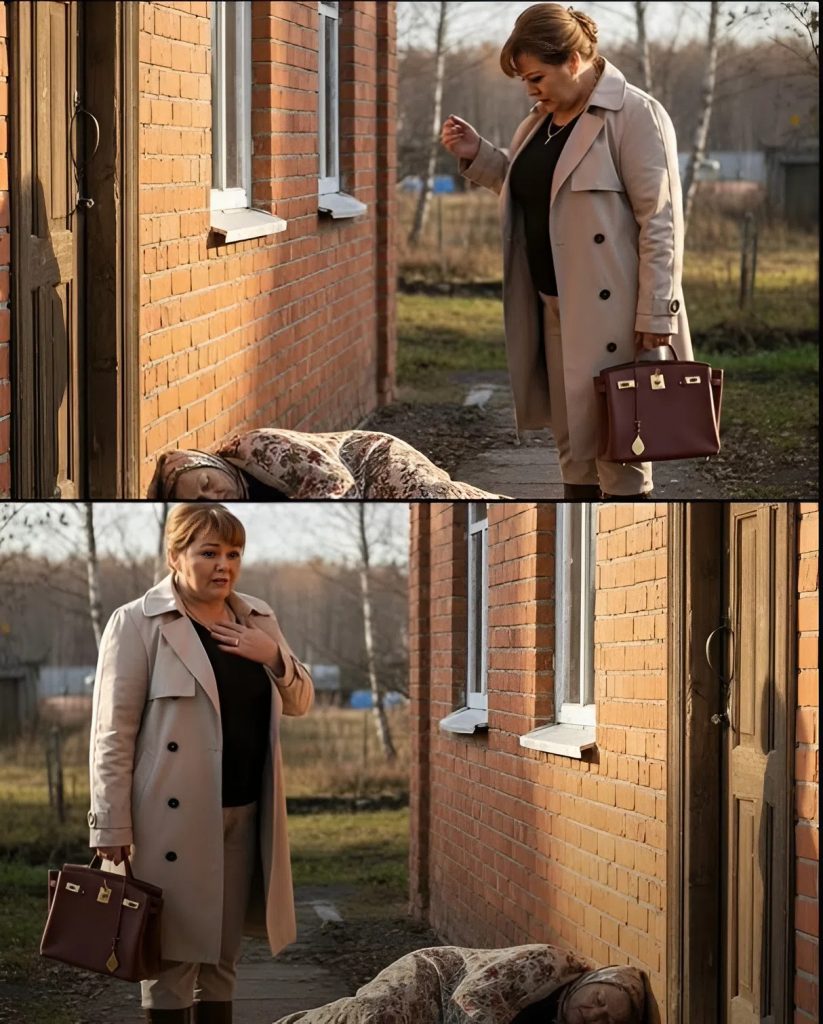
I pulled a thick folder from my bag and placed it on the glass table in the center of the room.
— All the documents are here, I said loudly. — Transfers, contracts, bank statements. This house belongs to me. I simply allowed you to live in it.
The guests exchanged uneasy looks. Someone set their glass down. Someone else stepped back.
— And here are medical reports, I went on. — Proof that my sister is completely sane. Along with prepared statements—for psychological abuse, exploitation, and deprivation of housing.
My son was trembling.
— Mom, you don’t understand… he began.
— Be quiet! I shouted, my voice echoing off the walls.
I had never shouted like that. Not when I was hungry. Not when I was alone in a foreign country. But at that moment, something shattered for good.
— You called her a servant, I said quietly, yet clearly enough for everyone to hear. — You mocked her. You let others laugh at her.
I stepped closer.
— I raised you alone. I sent you money when I barely survived myself. I believed I was raising a human being.
He lowered his eyes.
— Listen carefully now, I said coldly. — You have ten minutes to pack your things and leave this house. For good.
— You can’t do that… he whispered.
I smiled, without warmth.
— I can. And I am.
I turned to the guests.
— The party is over, I announced. — Thank you for coming. I hope you enjoyed laughing at a woman who slept on the floor.
They left quickly, awkwardly, avoiding eye contact.
Half an hour later, the house was empty.
I helped my sister onto the couch, made her a cup of hot tea, and covered her with a blanket.
— You will never sleep on the floor again, I promised.
She cried softly, the way people cry when they’ve endured too much for too long.
That night, I didn’t sleep. I sat beside her, knowing one thing for certain: my return was not a mistake.
And my son… he left. And perhaps, for the first time in his life, he understood that money and walls mean nothing when you lose your humanity.
That lesson, he will remember forever.