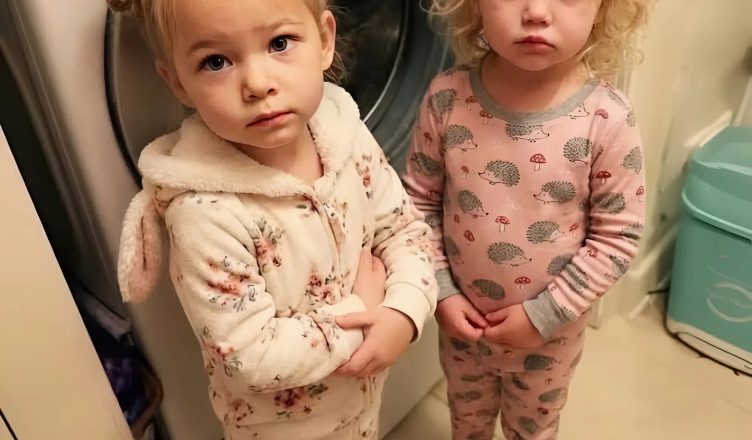
Unable to bring myself to open the small box wedged deep inside the drum. The apartment was almost silent. The only sound came from the soft scratching of markers against the floor. Behind me, Bella and Lily were drawing, completely absorbed in their own little world. They had no idea that this ordinary evening might become a turning point in our lives.
I unfolded the note again. The handwriting was neat, deliberate, almost old-fashioned. There was nothing careless or random about it. I took a deep breath and opened the box.
Inside was money.
For a brief moment, I thought I was mistaken. Maybe old papers. Maybe something worthless. But no—these were real bills, carefully folded and tied together with a simple white ribbon. My hands started to shake. My heart pounded so loudly that I felt it echo in my ears.
When I finally counted it, my legs gave out and I sat down on the floor.
Just over twelve thousand dollars.
Only hours earlier, that amount would have seemed completely unreal to me. It was enough to cover my mother’s surgery, pay off overdue bills, replace broken appliances, and—most importantly—give us a chance to breathe without constant fear hanging over every day.
Immediately, I remembered the woman from the used appliance store. Her floral blouse. Her calm, knowing smile. The way she had looked at my daughters—not with pity, but with quiet understanding. And the single letter at the end of the note: “M.”
I didn’t sleep at all that night. I paced the apartment like an animal trapped in a cage, my thoughts spinning. I knew the money should be returned. But to whom? The next morning, I went back to the store and explained everything to the owner. He looked genuinely shocked. He told me the washer had been sold by an elderly woman who was downsizing after her husband passed away. No phone number. No address. Nothing.
I walked out with a hollow feeling in my chest. I had tried to do the right thing. I hadn’t taken anything that didn’t belong to me. And yet, life had placed me in front of a brutal choice: abstract principles or the real safety of my children.
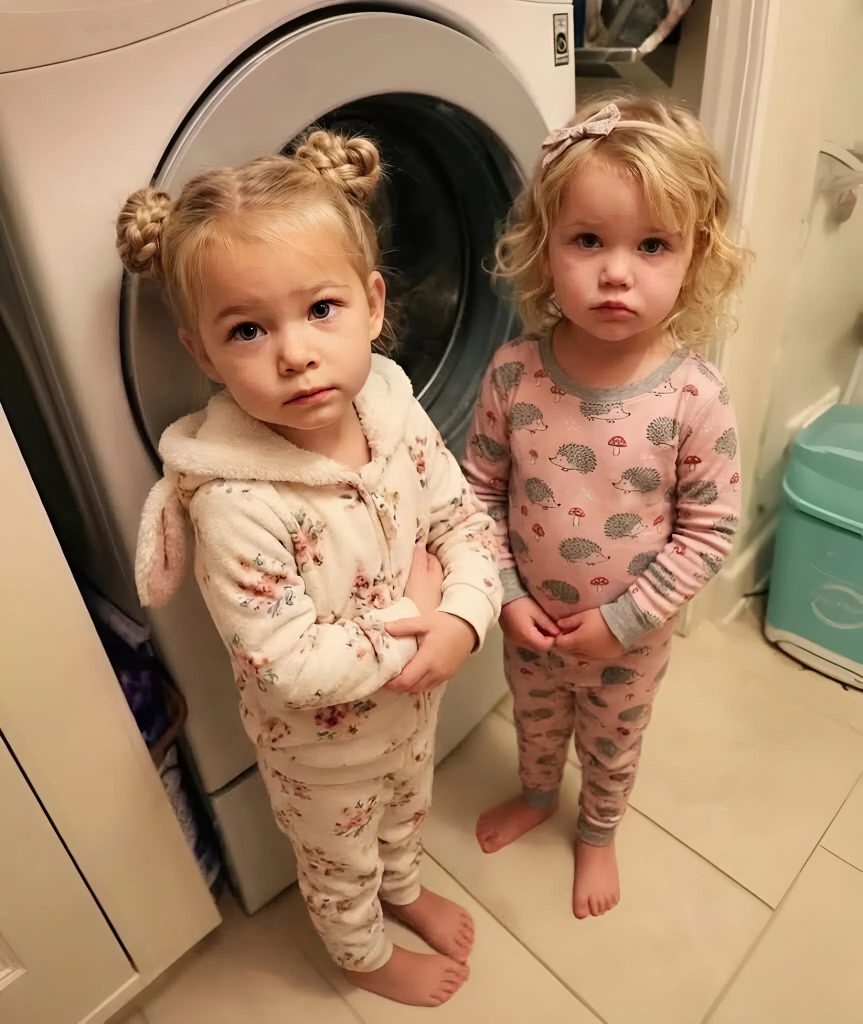
That same day, Lily slipped and split her forehead open. At the hospital, the bill made my head spin. And that was when I reached into the box for the first time. Not all of it. Just enough. I cried in the car afterward, torn between guilt and overwhelming relief.
The months passed slowly. I found additional remote work. My mother had her surgery. The girls started at a new daycare. Gradually, a sense of calm returned to the apartment—a fragile, precious quiet that you only learn to appreciate after living in constant survival mode.
I thought often about that woman. Why had she done it? Maybe she had been alone once. Maybe she had stood exactly where I was standing now. Or maybe she had simply recognized the exhaustion of someone who was still holding on, purely out of love.
About six months later, a letter arrived. A plain envelope. No return address. Inside were just a few lines:
“I didn’t do this to be thanked. I know what it’s like to raise children alone. Don’t look for me. When you’re able, help someone else.”
I sat at the kitchen table for a long time, staring out the window. Bella and Lily were laughing as they colored together. They were safe. And in that moment, I understood something I hadn’t before: sometimes help arrives exactly when you’re on the verge of losing faith.
Since then, I’ve kept a box of my own. No lock. No label. Not for vacations or dreams. It’s for the day when someone else might need it. Because sometimes, a single act from a stranger is enough to stop an entire life from falling apart.