His hands shook so violently that the bills slipped from his fingers and scattered across the floor. He bent down, picked them up one by one, and stared at the words written on them in my unsteady handwriting.
“This is the price of my love. You already took the rest.”
The silence in the room became unbearable. I watched emotions flicker across his face—anger, fear… and something else. Shame, perhaps. But it vanished quickly, smothered by the greed that had guided him for most of his life.
“Are you kidding me?!” he shouted. “Fifty dollars?! Where’s the rest? That money is mine!”
I slowly sat down on the edge of the bed. For the first time in many years, I didn’t feel weak or helpless. Inside me there was a strange calm. Cold. Solid. Unshakable. The kind that comes when there is nothing left to lose.
“Yours?” I repeated quietly. “Do you truly believe you have a right to anything?”
He stepped closer, looming over me. In that moment, I saw his father in him—the same eyes, the same voice, the same contempt. The man who had disappeared long ago, leaving nothing behind but wreckage. Todd had become his reflection.
“I sold my house for you,” I continued evenly. “The house where I lived for forty years. Where your grandfather died. I cooked, cleaned, swallowed humiliation, while you spent my money on luxury hotels and vacations. And then you brought me here. To a nursing home. As if I were a useless object.”
“I never asked you to do that!” he snapped. “That was your choice!”
I smiled bitterly.
“Yes. Because I loved you. Because I believed you were different. That you wouldn’t become like him.”
He said nothing. His jaw tightened.
“The money,” he hissed. “Where is the rest of the inheritance?”
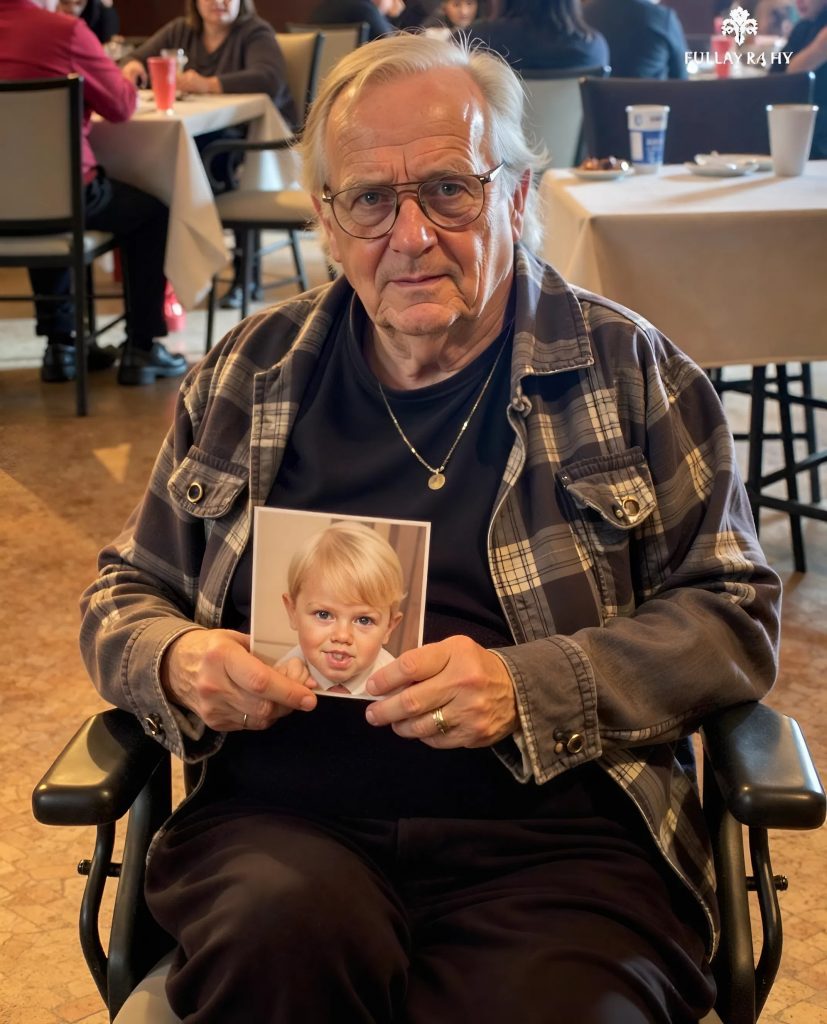
I looked him straight in the eyes. Not as a pleading grandmother, but as a woman who had finally reclaimed control.
“It isn’t for you,” I said firmly. “I donated everything to a charitable foundation. For sick children. For abandoned elderly people. For those who truly need help. People like me.”
He staggered back as if I had struck him.
“You had no right!” he yelled.
“I did,” I replied calmly. “Because it was the last thing that still belonged to me—the right to decide.”
He began screaming, insulting me, threatening lawsuits. Nurses peeked through the door. I simply sat there and watched his world collapse. His plan. His certainty. His lies.
Eventually, he stormed out. At the doorway, he turned and spat his final words:
“You’ll regret this. You’ll die here. Alone.”
I didn’t answer. Because even then, I knew he was wrong.
A few days later, my heart failed. Doctors rushed around, machines beeped. Lying there, I thought the end might be near. And for the first time in my life, I wasn’t afraid.
People visited me. Not Todd. He never came back. Volunteers from the foundation came instead. Strangers who knew my name and held my hand. One woman said to me:
“Because of your donation, we were able to pay for a child’s surgery. He survived.”
I closed my eyes and cried. Not from pain. From relief.
Later, I heard that Natasha left him when she realized there would be no money. That he tried to sue and lost. That now he lives alone, asking others for help.
And me? I stayed here. In a small room overlooking a garden. I knit socks. Not for him. For those who sit beside me. Forgotten people. We drink tea. We laugh. We share our stories.
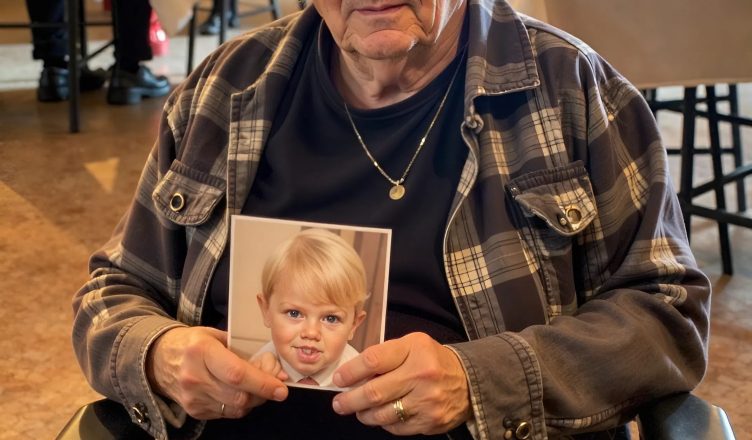
Sometimes I think of the little boy I once held in my arms. I feel sorry for him. But I no longer blame myself.
Love must not be blind. And even when the ones closest to you betray you, it is still possible to leave this world with dignity.
My name is Gloria. I am seventy-four years old. And this is not a story about money. It is a story about a voice found in the silence of a nursing home—a voice strong enough to steal the breath from those who spent their lives only taking, and never giving anything back.