same mug twice without realizing it, I sat in my car outside Claire’s house and watched her porch light flick on and off.
I wasn’t angry in the loud way.
I wasn’t screaming.
I wasn’t shaking.
I was calm — the kind of calm that comes right before something irreversible.
My mother raised me alone after my father died. She worked two jobs, skipped meals, and never once let me feel like we were poor — even when the fridge was empty and the heater barely worked.
She taught me three things:
Keep your word.
Pay people for their labor.
Never humiliate someone who trusted you.
Claire had broken all three.
The next morning, I asked my mom for the notebook.
She hesitated.
“I don’t want trouble,” she said.
“It’s already here,” I answered gently.
Inside were four neat lines, each marked $80.
Four weeks.
Sixteen afternoons.
Diapers changed.
Tantrums soothed.
Meals cooked.
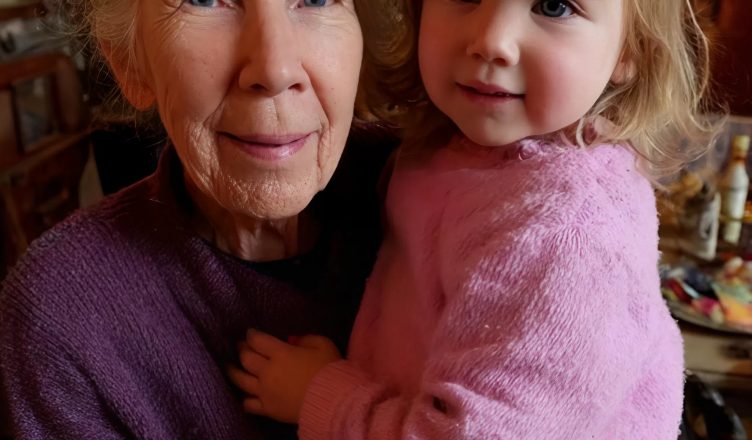
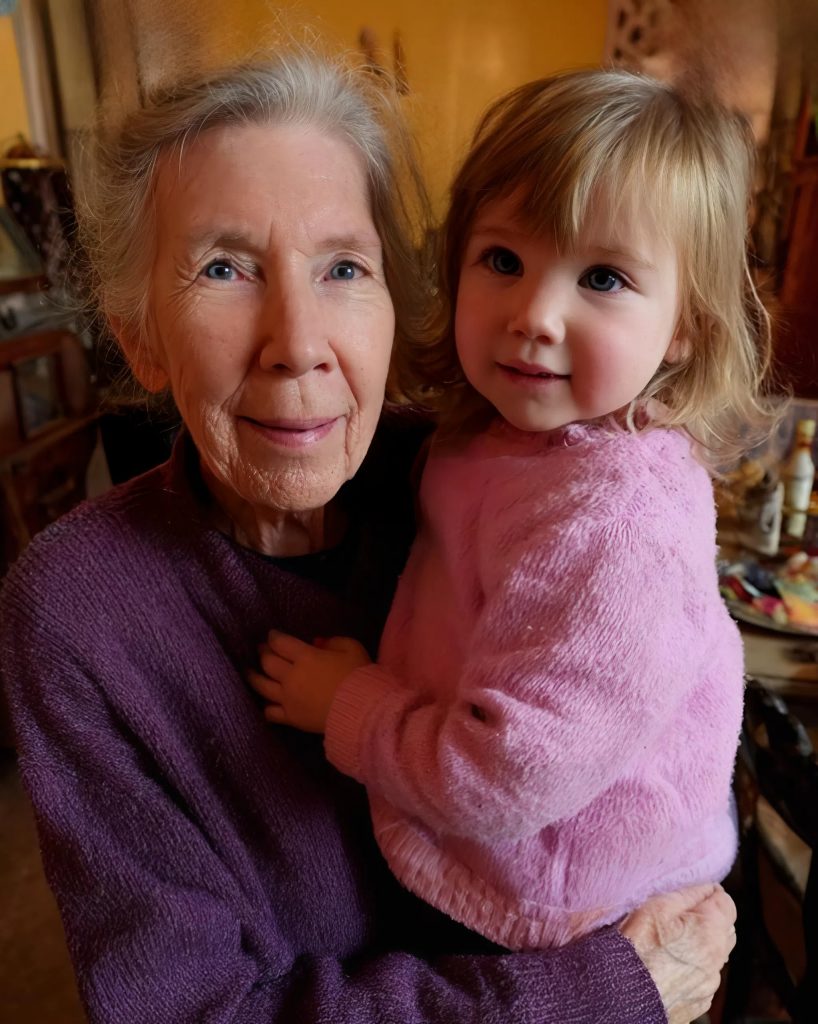
A three-year-old who had started calling my mother “Nana.”
$1,280.
I knocked on Claire’s door at exactly 7:30 a.m.
She answered in leggings and a silk robe, phone in hand, coffee steaming.
“Yes?” she said, already irritated.
“I’m here about my mother.”
Her face hardened instantly.
“Oh,” she said. “This again.”
I didn’t raise my voice. I didn’t smile.
“You owe her $1,280.”
She laughed. Actually laughed.
“For what? Sitting on a couch?” she scoffed. “She’s retired. It gave her something to do.”
Something inside me snapped — not loudly, but completely.
“You left your child with her,” I said slowly. “Every day. Without a contract. Without background checks. Without cameras. You trusted her with your daughter’s life.”
Claire crossed her arms. “Don’t be dramatic.”
“Oh, I’m just getting started.”
I pulled out my phone.
I showed her the text messages.
The agreed rate.
The days.
Her promises.
Her delays.
Then I showed her the photos.
Photos my mom had taken — the little girl asleep on her shoulder, the meals she cooked, the park visits, the timestamps.
Claire’s smile disappeared.
“And now,” I continued, “you have two choices.”
She rolled her eyes. “This is harassment.”
“Choice one,” I said, ignoring her, “you pay my mother what you owe her — today. In full. And you apologize.”
“And choice two?” she snapped.
“I file a formal complaint for unpaid labor, elder exploitation, and unlicensed childcare arrangements. I also post this entire story — with receipts — in the neighborhood group you’re so active in.”
Her face drained of color.
“You wouldn’t,” she whispered.
I leaned in just enough for her to smell the coffee on her breath.
“You thought my mother was weak,” I said quietly. “But you forgot who raised me.”
Ten minutes later, she came back with an envelope.
Inside was $1,280 in cash.
No apology.
No eye contact.
Just shame.
When I gave the money to my mom, she cried — not loudly. Just tears sliding down her face as she counted it twice, then once more.
“I didn’t want to cause problems,” she said.
“You didn’t,” I replied. “You did your job. She caused the problem.”
That afternoon, my mom made tea and reopened her notebook.
She wrote the amount neatly.
Then, underneath it, she wrote one more line:
“Lesson learned: kindness is not free.”
Claire never spoke to us again.
But the story did.
Because neighbors talk.
And sometimes, the quietest women raise the fiercest children.
And sometimes, the most dangerous thing you can do…
…is underestimate an old woman who still keeps her books balanced.