“Where… where did all this come from?”
Her voice wasn’t mocking anymore. It was thin. Unsteady.
She had expected chaos — mismatched furniture, unpaid bills, exhaustion hanging in the air. She had expected to feel right.
Instead, she saw warmth.
Not luxury — but order. Clean floors. Family photos on the wall. A bookshelf with dog-eared novels. A child’s drawing taped proudly to the fridge: three stick figures holding hands, all labeled in careful handwriting. Mom. Dad. Me.
Anna appeared from the kitchen, wiping her hands on a towel.
“Hello,” she said softly. Not defensive. Not apologetic. Just calm.
My mother didn’t answer.
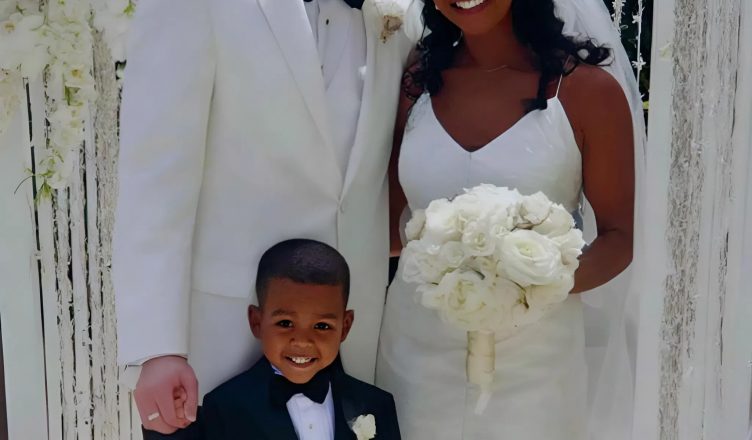
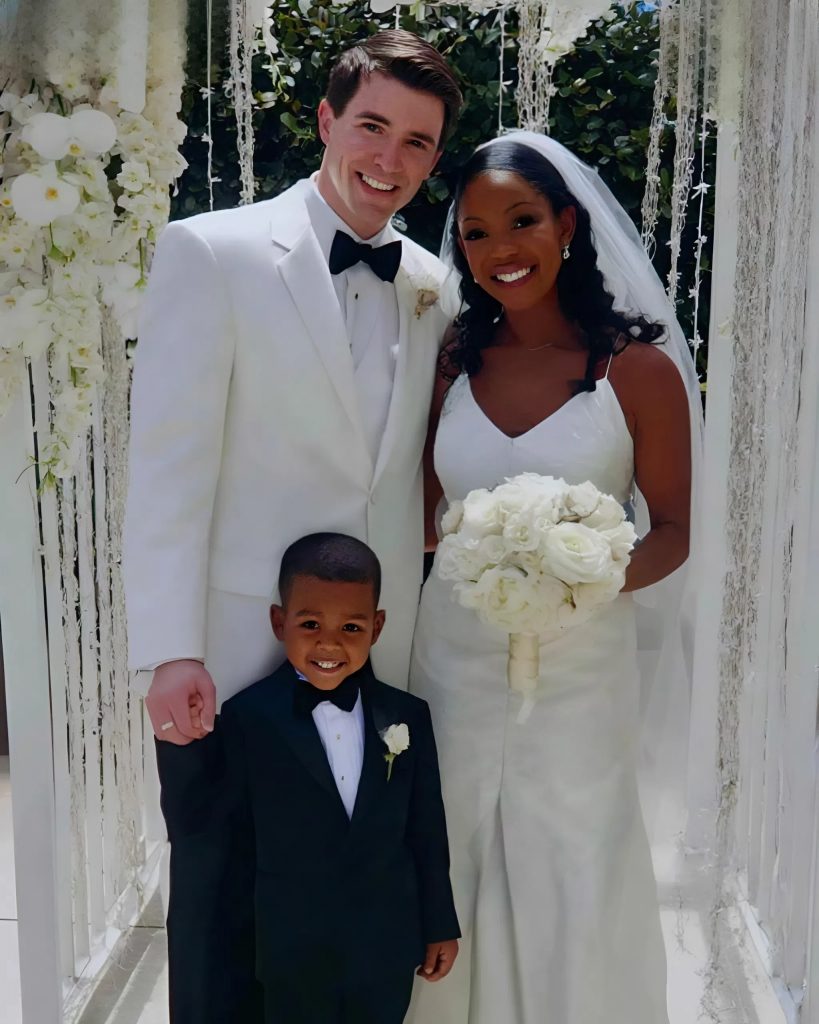
She walked slowly through the living room, fingers brushing the back of the couch as if checking whether it was real. She stopped in front of the framed photo on the mantel — our wedding day. No extravagance. Just smiles. Real ones.
“You look… different,” she said finally, turning to me.
“I am,” I replied.
Then a small voice came from the hallway.
“Dad? Can you help me with my math?”
My mother froze.
Dad.
She turned toward the sound as Anna’s son stepped into view, clutching a notebook, pencil tucked behind his ear. He looked at my mother politely, then back at me, waiting.
“In a minute,” I said. “Go wash your hands first.”
He nodded and disappeared down the hall.
The silence that followed was deafening.
My mother’s lips trembled. Just barely. She sat down — not gracefully, not composed — but as if her legs had given up on her.
“You didn’t tell me…” she murmured. “You never said you had a child.”
“I do,” I said. “In every way that matters.”
She pressed her fingers to her mouth, eyes darting around the room again — as if searching for cracks, proof that this life was fragile. That it was temporary. That she hadn’t been wrong.
“But you had so much potential,” she whispered. “I gave you everything. I wanted you to be… more.”
I felt something shift inside me — not anger, not bitterness. Just clarity.
“You taught me to succeed,” I said calmly. “But you never taught me how to live.”
Anna stood beside me. She didn’t interrupt. She didn’t step back. She simply rested her hand on mine.
My mother noticed.
Her composure shattered.
She started crying — not the controlled, elegant tears she used in public. These were raw. Loud. Uncontained. The kind of sobs that come when denial finally collapses.
“I thought you’d fail,” she said between breaths. “I thought you’d come back. I thought I’d be right.”
“I know,” I said.
She looked up at me then, eyes red, mascara smudged — a woman stripped of certainty.
“And instead… you built something I never could.”
That was the moment I understood something I had carried for years without naming.
My mother didn’t disown me because I married a single mom.
She disowned me because I chose happiness over her approval.
She stayed for dinner.
Not because we asked — but because she didn’t know how to leave.
She watched as Anna helped her son with homework. As he laughed at one of my terrible jokes. As we moved around the kitchen like people who knew each other’s rhythms.
At one point, she whispered, “He trusts you.”
“Yes,” I said. “Because I show up.”
When she left that night, she hugged me awkwardly. Too tightly. As if afraid I might disappear again.
“I don’t know how to fix this,” she said quietly.
“You don’t have to,” I replied. “Just don’t break it.”
She nodded.
Three days later, she sent a message.
It wasn’t an apology.
It just said:
“I was wrong about what a successful life looks like.”
And for the first time in my life, that was enough.