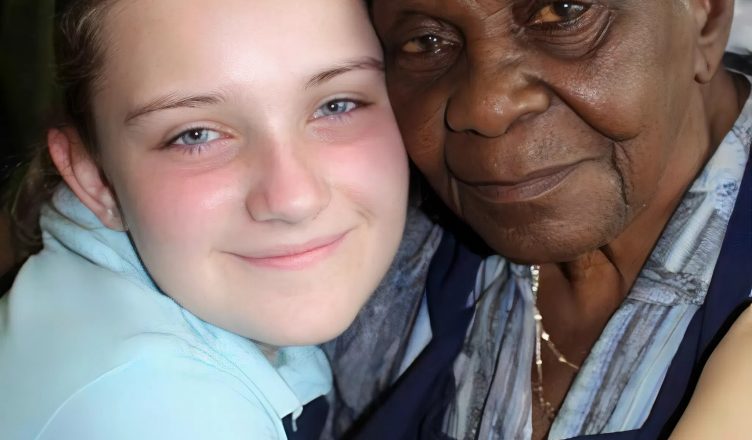
When I was still a child, I lost both of my parents. In a single moment, my world collapsed. The only person who didn’t disappear from my life was my grandmother.
We didn’t have much.
A small apartment with worn furniture. Bills that were paid late. Nights spent quietly worrying about whether we would make it through the month.
But we had each other. And at that time, that felt like enough.
At school, however, kindness meant nothing.
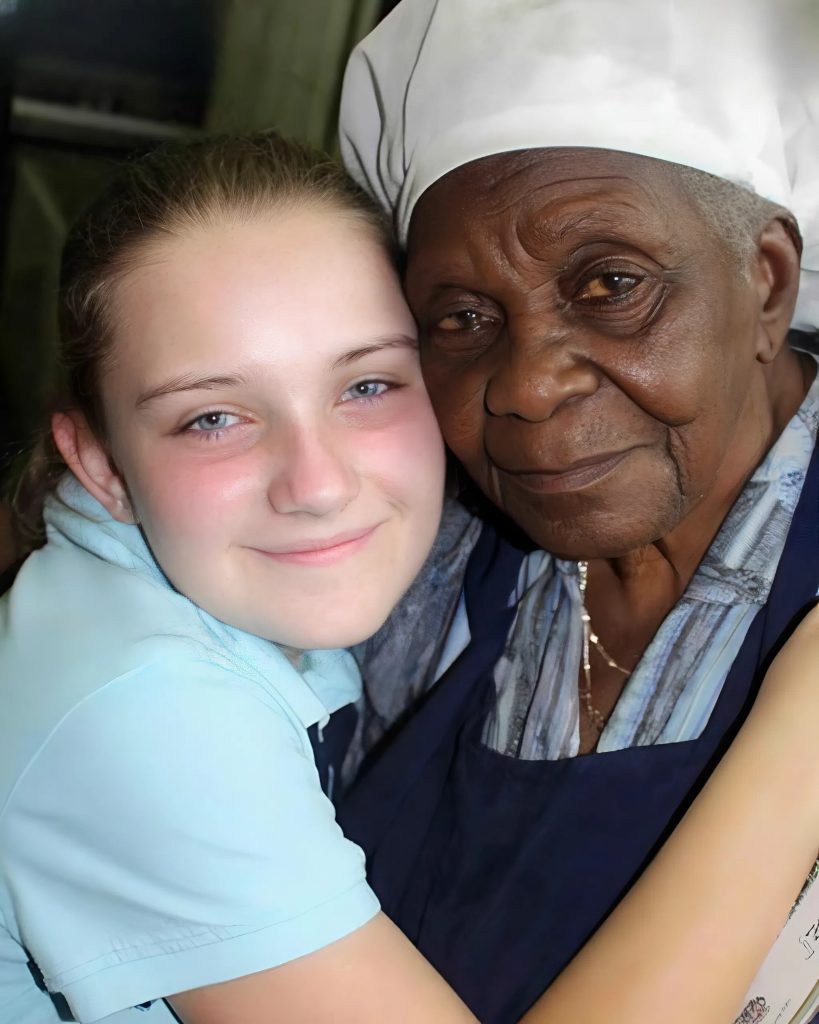
My grandmother worked in the school cafeteria.
To me, she was my protector, my home, my everything.
To my classmates, she was a joke.
They laughed at her faded apron.
At her old shoes.
At the gentle way she asked, “How are you doing today, sweetheart?”
And there was always that whisper—never loud enough for teachers, always loud enough for me:
“Stupid lunch lady.”
No one ever stepped in.
Either they didn’t hear it, or they chose not to.
My grandmother never changed.
She kept smiling.
She served every tray with care.
She remembered names.
She quietly added extra food for students who looked too thin or too tired.
Even for the ones who mocked her without mercy.
I never told her how deeply it hurt me.
I didn’t want to add another burden to the weight she already carried.
Then her heart gave out.
Suddenly.
Without warning.
Just days before my graduation.
I remember sitting alone in our silent apartment, replaying the same thought over and over again:
If we had more money… would she still be alive?
Everyone told me I didn’t have to attend graduation.
They said it was understandable.
But they didn’t know what that day meant to her.
She had talked about it for years.
About seeing me walk across that stage.
About watching me succeed.
So I went.
When my name was called, I stepped onto the stage and faced the same people who had laughed at her for so long.
And when it was my turn to speak, I said calmly:
“My grandmother served you thousands of lunches.
Tonight, I’m serving you the truth you never wanted to swallow.”
The room fell completely silent.
I went on.
I told them how she woke up at four every morning so they could eat a warm meal.
How she knew which students went home hungry.
How she chose compassion over pride every single day.
I told them she sold her wedding ring so I could afford school clothes.
That she walked through the cold so I could have textbooks.
That she was the strongest person I had ever known.
I saw heads drop.
I saw hands cover faces.
I saw tears.
“You laughed at a woman,” I said in closing,
“who carried more humanity in her heart than all of her mockers combined.
And if you feel ashamed right now,
then maybe that’s the first real lesson she ever taught you.”
When I finished, the entire room stood.
My grandmother wasn’t there anymore.
But that day, she won.
She fed you food.
She fed me dignity.
And even after her death,
she turned cruelty into silence.