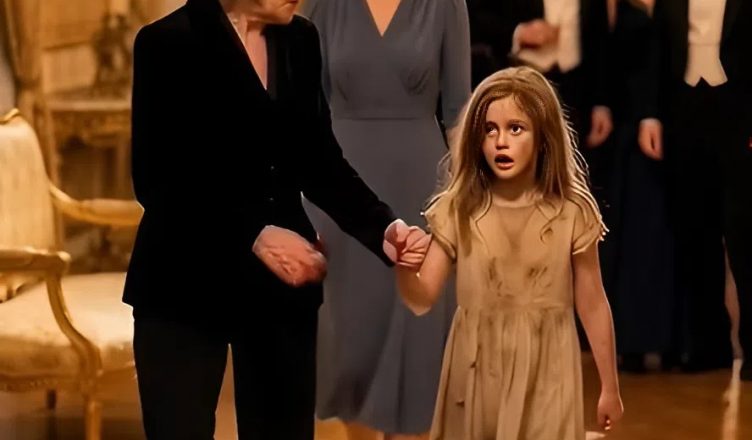
The car moved smoothly, almost silently. My daughter pressed closer to me, her small body tense, as if she sensed that this ride was about more than just answers. Something bigger was unfolding — something that would change everything.
We drove in silence.
When we turned onto Hawthorne Street, my breath caught. I knew this neighborhood. Perfect lawns. White fences. Houses that looked like stability itself. The kind of place I once dreamed of living, before my life collapsed into garbage bags and shelter rules.
The black sedan stopped in front of a two-story house with gray shingles and a wide porch.
“That’s…” My voice failed me.
“That’s your house,” my grandmother said flatly. “Purchased six years ago. Registered in your name.”
The world tilted.
“That’s impossible,” I whispered. “I would have known. I would have signed—”
“You did sign,” she interrupted. “The day you gave birth. Through a power of attorney.”
Memory flooded back. The emergency surgery. The pain. The papers placed in front of me while doctors urged me to hurry. I had signed without reading, trusting the people who said they were helping me.
“Who?” I asked, already knowing the answer.
She didn’t reply. Instead, she unlocked the front door. The key fit perfectly.
Inside, the house was spotless — and empty. No furniture. No toys. No photos. Just freshly painted walls and the unbearable feeling that someone else had lived the life meant for us.
“No one lived here,” I said weakly.
“They did,” my grandmother replied. “Just not you.”
In the kitchen, she laid out documents on the table. Rental contracts. Bank statements. Transfers.
My parents’ signatures.
“They rented it out,” she said calmly. “Every month. For six years.”
I felt sick.
“They knew we were in a shelter,” I whispered. “I begged them for help.”
“They told me you refused the house,” she said. “That you were unstable. That you didn’t deserve it.”
My daughter tugged at my sleeve.
“Mommy,” she asked softly, “can we sleep here now?”
“Yes,” my grandmother answered before I could. “You’ll have your own room.”
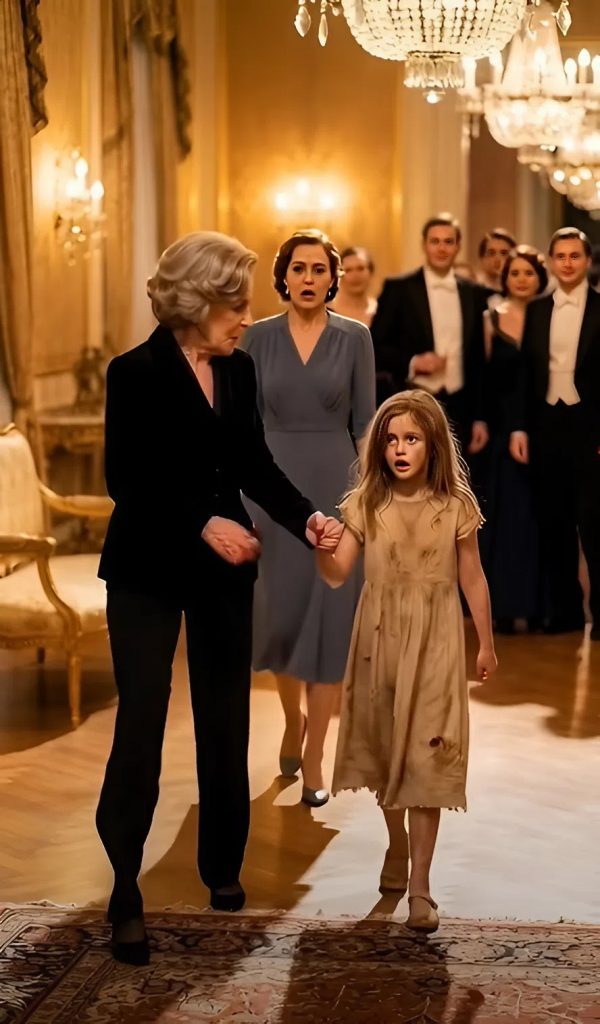
Three days later, we arrived at a family gathering. My father’s anniversary. I didn’t come as a guest — I came as the truth.
My mother dropped her glass when she saw us. My father turned pale.
“I lived in a shelter,” I said loudly. “While you collected rent from my house.”
The room froze.
My grandmother stepped forward and placed the folder on the table.
“I know everything,” she said. “You will return every cent. Or I will make sure everyone else knows too.”
We left.
That night, I tucked my daughter into her own bed for the first time in her life. She fell asleep holding my hand.
I cried — not from pain, but from clarity.
The cruelest betrayals don’t scream.
They smile.
They hug you.
And they tell you,
“Just wait. It’s only temporary.”
But the truth always finds its way home.