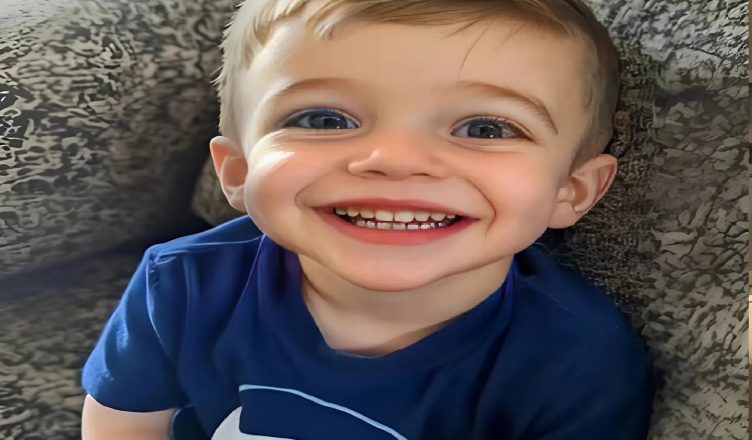
Just a few hours earlier, we had been standing hand in hand in the hallway of the children’s home, filled with nervous excitement. Months of interviews, background checks, paperwork, and waiting had led to that moment. We believed we were ready. We thought nothing could truly shock us after everything we had prepared for. We were wrong.
When the social worker introduced us to the little boy, his large, dark eyes studied us carefully. He clutched a worn teddy bear against his chest as if it were the only stable thing he had left. He was painfully quiet. When I smiled at him, he hesitated before shyly reaching out his hand. In that instant, something inside me shifted. I didn’t know how or why — I just felt that he mattered to me already.
My husband seemed touched too. He knelt down, gently brushed the boy’s hair aside, spoke in a soft voice, and later signed the final documents. It all felt like the beginning of something fragile and important.
But the first hours at home were not what I had imagined.
The boy sat stiffly on the edge of the couch, scanning every corner of the unfamiliar apartment. I had prepared his room with so much care — fresh sheets, colorful walls, shelves full of toys. Yet he didn’t touch anything. He didn’t explore. He didn’t ask questions. It was as if he were waiting for someone to tell him this was temporary.
And then my husband said it.
He stood in the doorway of the child’s room, watching the boy sit quietly on the rug. His voice was low, uncertain, but the words were clear:
“Are we taking him back?!”
At first, I thought I had misheard. But his expression confirmed it — fear, doubt, something close to panic. He said this wasn’t what he had expected to feel. He had imagined an instant connection, overwhelming certainty. Instead, he felt terrified. Terrified that he wouldn’t be a good father. Terrified that he wouldn’t know how to handle a child with a past we barely understood.
The boy looked up.
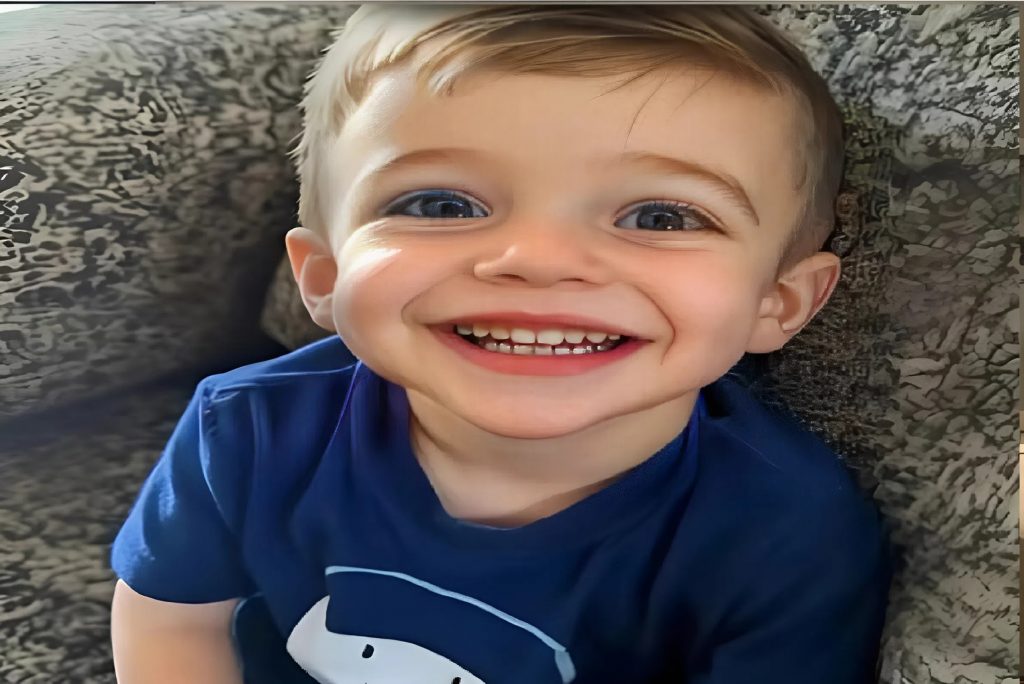
He didn’t cry. He didn’t protest. He simply grew smaller somehow, folding inward. In his eyes, there was a silent question that broke my heart: “Am I not wanted again?”
I led my husband into the kitchen so we could talk privately. We didn’t shout, but every sentence carried weight. I reminded him of the nights we had talked about building a family, about how love is a decision, not just a feeling. He admitted that reality scared him more than he had anticipated. He was afraid of failing — and of hurting the child even more if he did.
That night, I couldn’t sleep. I sat beside the boy’s bed, listening to his steady breathing. At one point, he murmured something in his sleep — maybe a name, maybe a memory. I gently placed my hand on his shoulder, and he calmed almost instantly. In that quiet darkness, I understood something I hadn’t fully grasped before.
Adoption is not a single moment. It’s not a signature on a document. It’s not a perfect photo or a triumphant announcement.
It’s a daily commitment.
In the morning, my husband looked exhausted, as though he had aged overnight. He told me his question hadn’t come from rejection, but from fear — fear of not being enough. He didn’t want to become another disappointment in that child’s life.
And that’s when I realized the real struggle wasn’t about the boy at all. It was about our own insecurities.
I don’t know what the coming weeks will bring. There will likely be difficult days — silence, frustration, maybe even anger. Healing doesn’t happen instantly. Trust doesn’t grow in a single afternoon.
But one thing is certain: a child is not something you “return” when things feel overwhelming. He is not a trial run. He is a human being who needs stability more than anything.
Adoption means choosing to stay.
To stay when you’re afraid.
To stay when you’re uncertain.
To stay even before love feels easy.
Perhaps it is in that quiet, stubborn decision to remain that a real family is truly born.