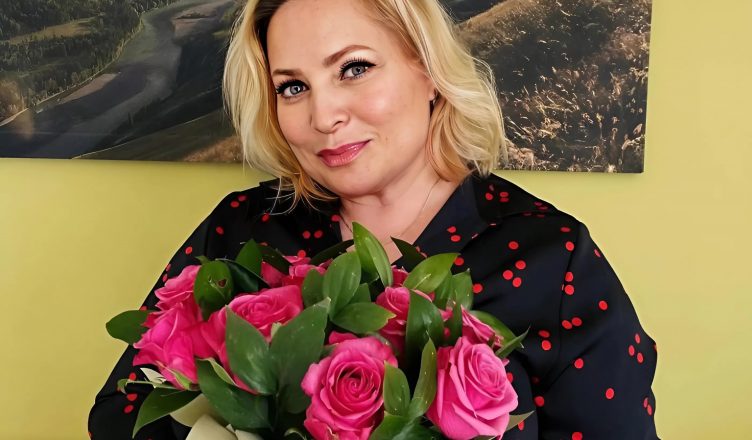
The nineteen-year age gap was whispered about behind her back with skepticism, judgement, even thinly veiled mockery. But Svetlana paid no attention to the murmurs. She was swept away by a passion so sudden and overwhelming that it shattered the familiar rhythm of her life and convinced her that happiness could come at any age, under any circumstances.
Yet even in the middle of that intoxicating whirlwind, she remained a woman who knew the value of what she had built. She understood the weight of her years, her work, her struggles, her achievements. That is why she refused to rush into marriage. She said it directly: if everything collapsed — and deep down, she feared it might — dividing her hard-earned property could ruin her. And no matter how often her young partner swore that his love was eternal, she stood her ground: no marriage certificate.
At the time, people accused her of being too rational, too cautious, too unwilling to trust. But later, when the truth surfaced, it became clear that she had been right all along. She sensed something she could not fully explain — a quiet warning that lived somewhere beneath the surface of their beautiful but fragile relationship.
The changes began subtly. The young man who once looked at her with adoration started coming home later, irritated, distant. He seemed to age faster than his years — not physically, but emotionally. His patience thinned, his enthusiasm faded, and his attention drifted toward a world where he still felt young, carefree, and unburdened by responsibility.
Meanwhile, Svetlana stayed where she had always been — surrounded by diapers, night feedings, endless chores, and the constant weight of motherhood. She barely noticed how each day pulled her partner further away, until the emotional gap between them turned into a massive, cold silence.
By 2015, the relationship dissolved completely. The breakup was painful, yet strangely quiet. No dramatic fights, no legal battles over the child, no public accusations. Just the heavy finality of something that had run its course. And Svetlana understood: had she agreed to a legal marriage, she might now be fighting for everything she had worked for over decades.
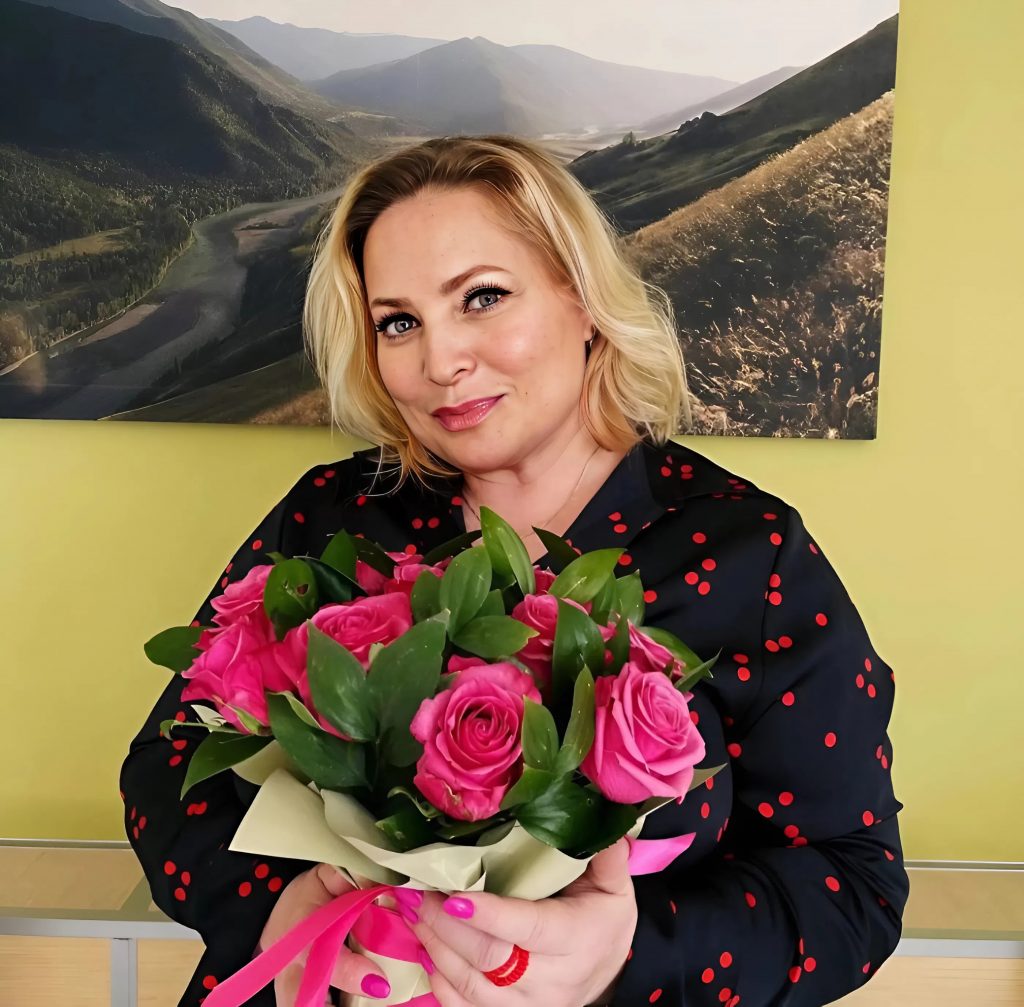
The little girl remained with her — the safest choice. Svetlana knew instinctively that the young father, still chasing the remnants of his own youth, would struggle to provide real stability. She feared he would drift in and out of the child’s life on impulse, not responsibility.
But what came after the separation shocked even her.
It was as if she suddenly saw clearly. The man she once trusted appeared almost unrecognizable — distant, unfocused, emotionally unreliable. And she realized an uncomfortable truth: she had carried the weight of their life almost entirely alone.
Little by little, she rebuilt herself. She regained her confidence, her inner calm, her sense of direction. She stopped imagining what could have been and started accepting what was. And most importantly, she understood that sometimes a woman is saved not by love, but by the courage to protect what she has built — even when others call her cold or calculating.
Her story is more than a romantic disappointment. It is a warning — a reminder that passion without stability can be a trap, and that trusting one’s intuition is not weakness but strength.
Today, she raises her daughter with a sense of quiet pride. The child grows up beside a mother who proved that resilience, self-respect, and clear judgment can shield a family far better than any impulsive promise of love.
And in the end, that intuition — the same intuition that held her back from signing marriage papers — saved them from consequences far more destructive than heartbreak.