His hand rested on her shoulder in a way that felt too familiar for a stranger. The background was neutral, impossible to place. No school banners, no home furniture—just an empty beige wall. Under the picture was a short comment:
“Proud of you, kid.”
My chest tightened like someone had cinched a belt around my ribs.
Marisa’s voice came low and tense.
“Ask Avery who he is.”
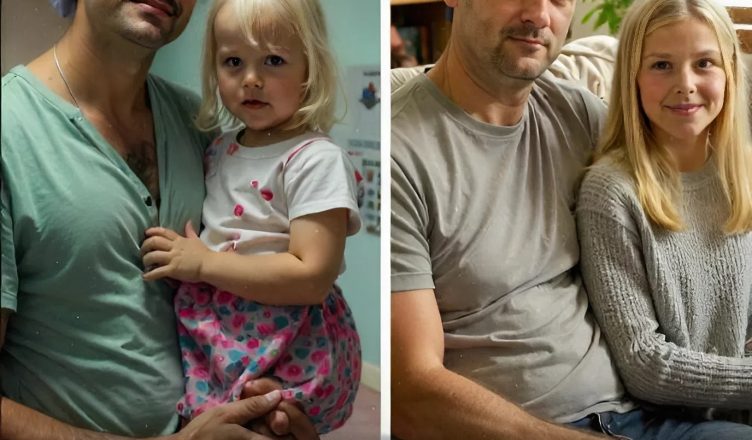
Before I could speak, Avery walked into the room holding a battered stuffed rabbit—one ear missing, fur balding after years of being dragged through life. Sixteen years old, but for a split second she looked three again—small, frightened, clinging to anything soft.
I held up the phone.
“Who is this?”
She didn’t answer. Her eyes flicked to Marisa with a flash of resentment.
“You shouldn’t have shown him,” she muttered.
Marisa didn’t flinch.
“He’s your father. He deserves to know.”
My stomach dropped so fast I felt dizzy.
“My father?” I repeated. “Avery, we talked about this. There were no surviving relatives. That was confirmed.”
Marisa crossed her arms.
“Confirmed sixteen years ago. There are DNA databases now, volunteer search groups, entire online registries. You think the world stopped evolving because it was inconvenient?”
Avery sank onto the couch, clutching the rabbit to her chest.
“I wasn’t hiding because you weren’t my dad,” she said quietly. “I just didn’t know if I was allowed to ask.”
Those words hit harder than anything I’d ever heard in trauma bays, harder than any cardiac monitor flatlining.
“Avery, you’ve always been allowed.” My voice cracked. “Always.”
Marisa picked up the phone again.
“He contacted her first. They’ve been messaging for over a year.”
My head snapped up.
“A year?!”
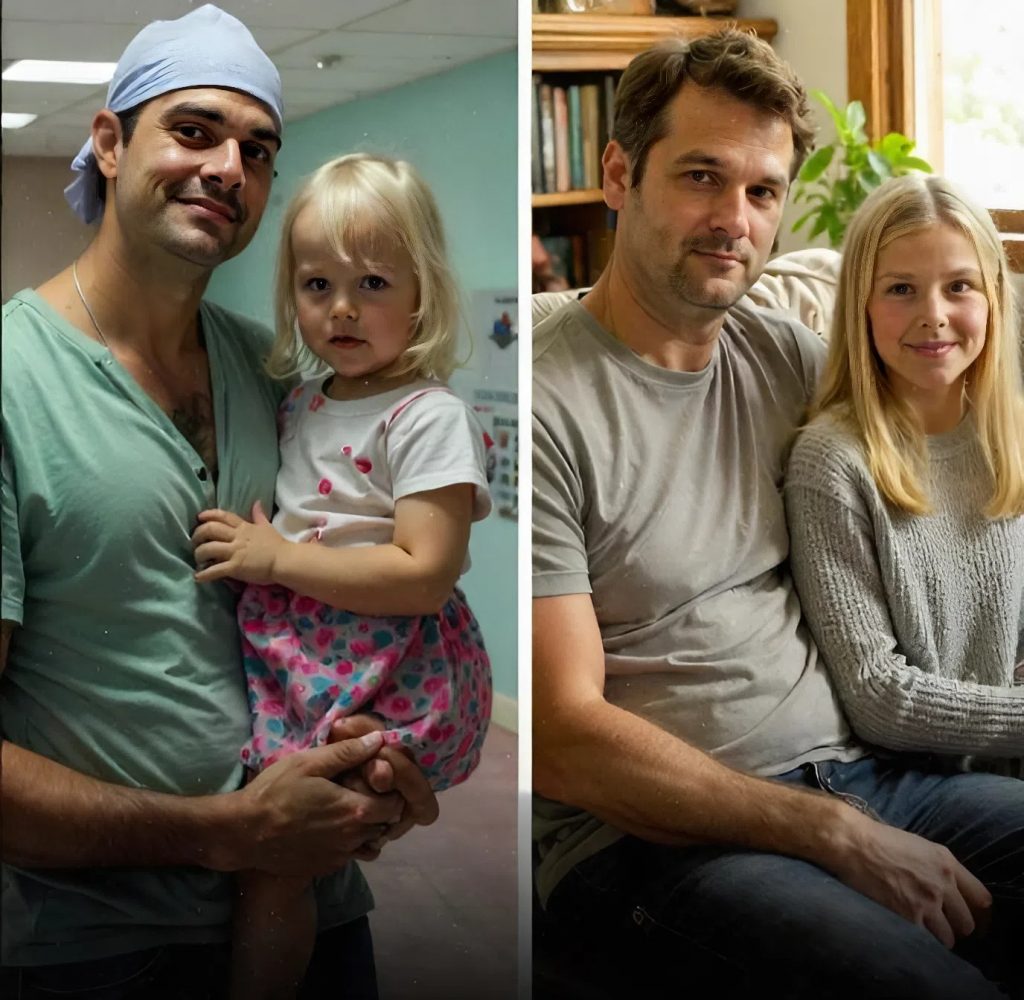
For a moment I couldn’t breathe. My days blurred through my mind—ER shifts, school pickups, frozen pizzas at midnight, college brochures scattered on the kitchen table…and behind all of it, a second life I knew nothing about.
Avery hugged the rabbit tighter, voice trembling but steady:
“He said he didn’t know about me. That he made mistakes. That he wanted to meet before it was too late.”
I couldn’t stop the bitterness.
“He wasn’t there when your mother died. When you were alone in that hospital. When you needed someone.”
Avery shot me a sharp look, older than her years.
“That’s your story. Not mine.”
The room went painfully quiet.
Marisa broke the silence, her role nearly finished.
“You don’t have to like him,” she told me. “But she deserves clarity. Not secrets.”
When she left, the house felt too big. Too hollow. Even the wall clock seemed to tick softer, as if afraid of breaking something fragile in the air.
Avery sat on the couch, knees drawn up, rabbit limp against her side. I lowered myself into the chair across from her.
For a long time neither of us spoke.
Finally I said:
“If you want to meet him…I won’t stop you.”
She studied my face, searching for anger, disgust, weakness—whatever she feared most. She didn’t find it.
“He’s not dangerous,” she whispered. “Just lonely.”
I nodded slowly.
“Being lonely doesn’t make someone good or bad. It just makes them human.”
The next morning I received a text from an unknown number:
“Thank you for raising her. I have no right to ask for anything. But if you’re willing, I would like to talk.”
I stared at the screen for a long time. I had spent half my adult life saving strangers from death. Now I had no idea how to save my own daughter from pain—or if I was even supposed to.
The meeting happened a week later. No melodrama. No shouting. Just two men in a quiet café, separated by sixteen years and one girl who had survived more than either of us had the right to imagine.
He spoke softly, without excuses.