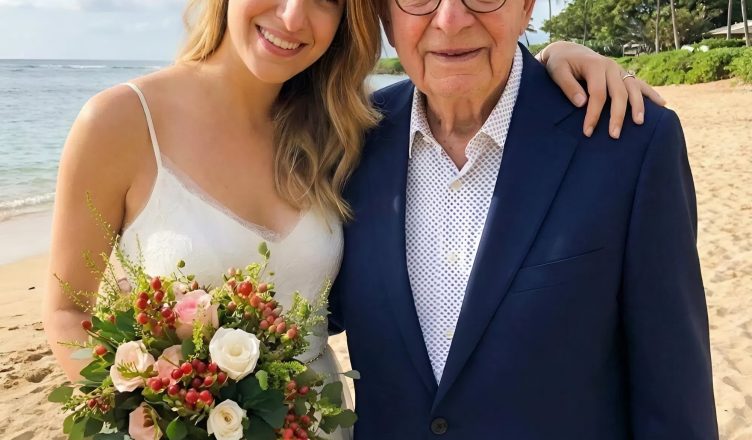
What they didn’t expect was that the moment he spoke, the entire room would fall into complete silence.
My father has worked in sanitation for as long as I can remember. When I was three years old, my mother passed away, and from that day on, it was just the two of us. He left for work before sunrise and came home exhausted long after dark. Still, our small apartment was always filled with warmth. There was always food on the table, and I never once felt unsafe or unloved.
Years later, I met Ethan. He was steady, kind, and thoughtful—the kind of person who made the future feel less frightening. We fell in love, got engaged, and started planning our wedding.
That’s when everything began to unravel.
Ethan’s parents owned a small chain of stores, and from the very beginning, they made it clear that I didn’t meet their standards. They hinted that my background wasn’t “appropriate,” that my father’s job could damage their image, and that I was only marrying their son for financial security. Ethan defended me every time, but the tension never truly disappeared.
They took over the wedding planning almost entirely. It was large, formal, and expensive—filled with their friends, relatives, and business partners. My opinions were politely ignored.
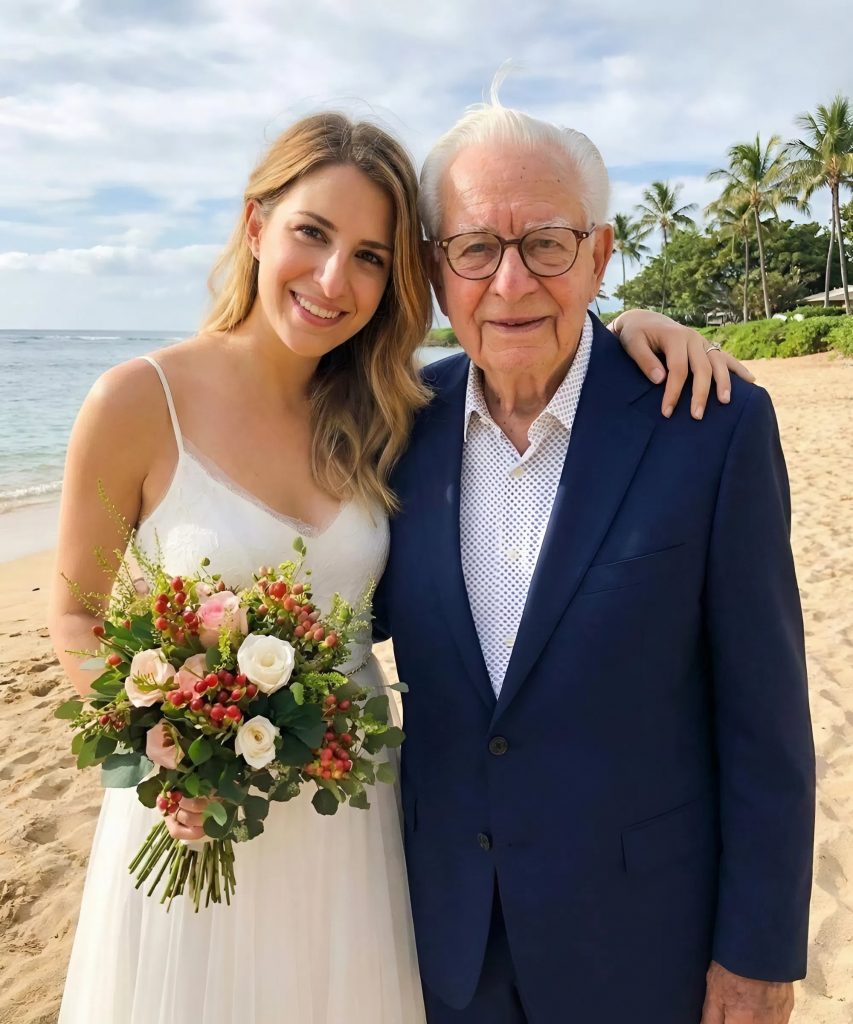
When my father arrived at the venue, he hugged me tightly and whispered,
“You’re my real princess. Always have been.”
A few minutes later, Ethan’s mother approached us. With a stiff smile, she suggested it might be “less uncomfortable” if my father left early. Then she looked directly at him and added that some guests might not feel at ease around “someone like him.”
I was shaking with anger and ready to speak. But my father gently squeezed my hand.
“I understand,” he said calmly. “I’ll go. But before I do, may I give a toast at my daughter’s wedding?”
He leaned toward me and whispered,
“Don’t worry. I know what I’m doing.”
The guests took their seats. My father stepped up to the microphone, took a slow breath, and began:
“Dear guests, there’s something you should know…”
At that exact moment, Ethan’s parents turned pale.
The room grew unbearably quiet. Servers froze in place. Even the background music faded away. My father stood there in a simple suit he had bought specifically for this day, saving for months to afford it.
“Yes, I’m a garbage collector,” he continued evenly. “I collect what others throw away. I work while the city is still asleep. And I’ve never been ashamed of it.”
A faint murmur moved through the crowd.
“When my wife died, all I had left was a three-year-old daughter. I had no money, no connections, no safety net. I only had responsibility. And I chose not to give up.”
He looked at me, and tears filled my eyes.
“I worked without vacations. I took extra shifts. Not to become rich—but to give my daughter a decent life. And today, she stands here as a strong, educated, and honorable woman.”
Then he turned toward Ethan.
“If anyone believes a person’s worth is defined by their job title or social status, they’re mistaken. A person is defined by how they treat others.”
Someone began to clap. Then another. Within seconds, the entire room was on its feet, applauding.
Ethan stepped forward and took the microphone.
“This man is my father-in-law,” he said firmly. “And anyone who disrespects him disrespects my family.”
His parents remained seated. Silent. Expressionless.
My father was supposed to leave after the toast—but the guests wouldn’t let him. They stopped him, shook his hand, thanked him. Some did so with tears in their eyes.
Later that evening, I asked him quietly,
“Dad… were you really ready to leave?”
He smiled—the same gentle smile I had known my entire life.
“Always, if it means protecting you. But today, I knew I had to stay.”
In that moment, I understood something I would never forget: true dignity has nothing to do with money, prestige, or appearances. It’s built through sacrifice, integrity, and love—day after day.