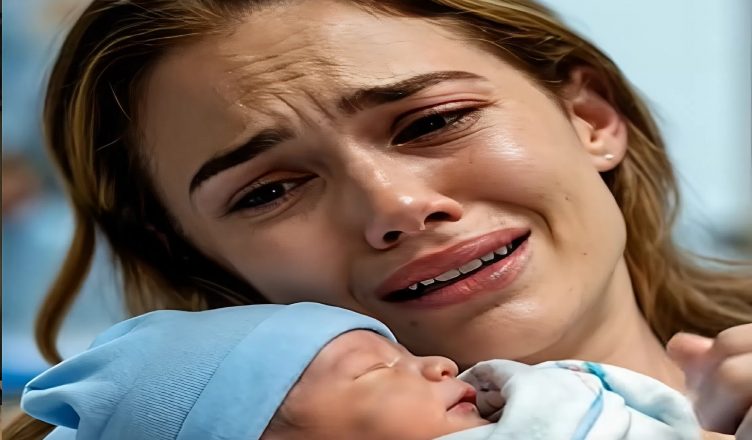
Her voice was calm — too calm.
“I need you to come back to the hospital today.”
I knew immediately this wasn’t just routine. My husband didn’t come with me. He said he was busy, that work couldn’t wait, that there was “no reason to make this dramatic.” His tone was distant, almost cold.
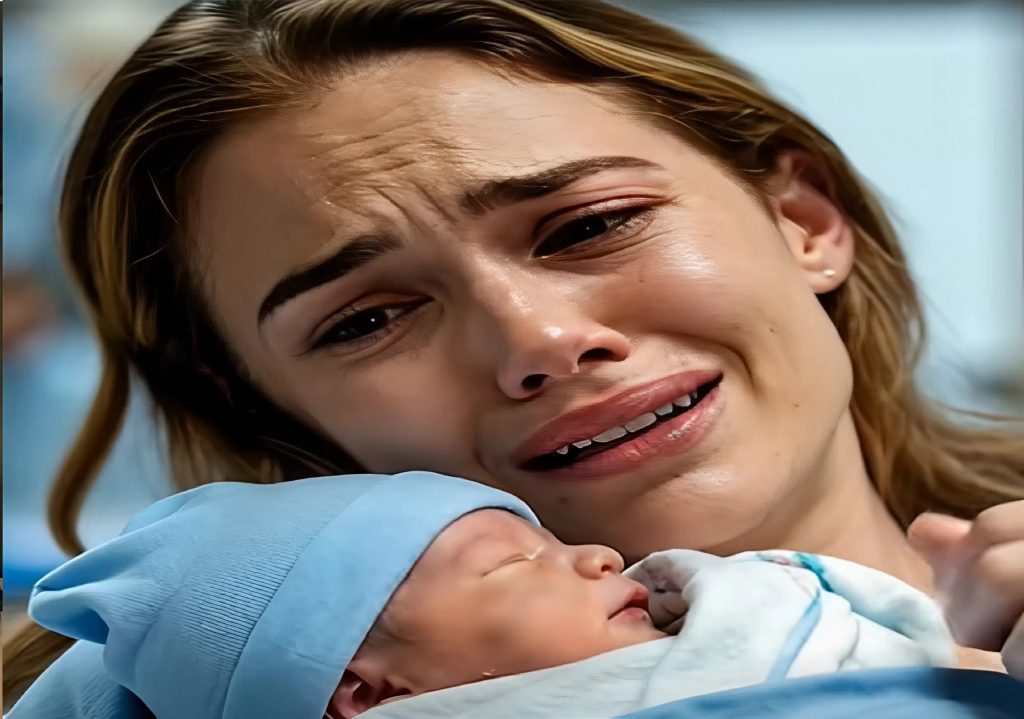
I arrived alone, our baby girl asleep in my arms. I held her tighter than necessary, as if instinctively protecting her.
The office was quiet. Uncomfortably quiet. The doctor was holding a sealed envelope. She didn’t smile. She didn’t ask me to sit down.
She looked directly into my eyes.
“The results are back.”
My heart was pounding in my throat.
“The test confirms that you are the biological mother. There is absolutely no doubt about that.”
I swallowed.
“And… the father?” I asked softly.
A brief pause.
“According to the initial DNA test, your husband is not the biological father.”
The world didn’t explode. It didn’t shatter. It simply tilted — silently, irreversibly. I didn’t scream. I didn’t cry. I just sat there, trying to process what I had just heard.
“That’s impossible,” I whispered. I had never cheated. Not once.
The doctor nodded.
“That’s exactly why I wanted to speak to you in person. There is another possible explanation.”
She opened the envelope and placed a second document in front of me.
“It’s possible your husband has an extremely rare condition called chimerism. It means a person can carry two different sets of DNA in their body. This can happen if, very early in development, two embryos fuse into one.”
A chill ran through me.
“What does that mean for us?”
“It means the sample tested may not match the genetic profile he passed on to your child. We need additional testing — from a different type of tissue.”
I left the hospital feeling both relieved and shaken. Relieved because I knew I had done nothing wrong. Shaken because everything suddenly felt uncertain.
I called my husband.
“Well?” he asked immediately.
“According to the first test, you’re not the father,” I said calmly.
Silence. Then a sharp exhale.
“I knew it.”
There was no heartbreak in his voice. No shock. Just validation.
“But there may be a medical explanation,” I continued, explaining the possibility of chimerism.
This time he was quiet longer.
“That sounds like an excuse,” he said finally.
“It’s not. It’s medical science.”
A few days later, he agreed to additional testing. Reluctantly. Irritated. But he showed up.
The waiting felt endless.
When the final results came in, they confirmed the doctor’s suspicion. His second genetic profile was a perfect match to our daughter. Biologically, he was her father.
He looked at the papers. Then at me.
“So it’s settled,” he said flatly.
Settled?
Maybe biologically. But something else had already broken.
In the moment when I was at my most vulnerable — exhausted, emotional, holding our newborn child — he chose suspicion instead of trust. He chose to question me instead of protect me.
Yes, the DNA proved he was the father.
But no test in the world can repair the trust that died that day in the hospital room.
Because this was never just about genetics.
It was about who stands beside you when you are at your most fragile.
And that answer hurt more than any result could.