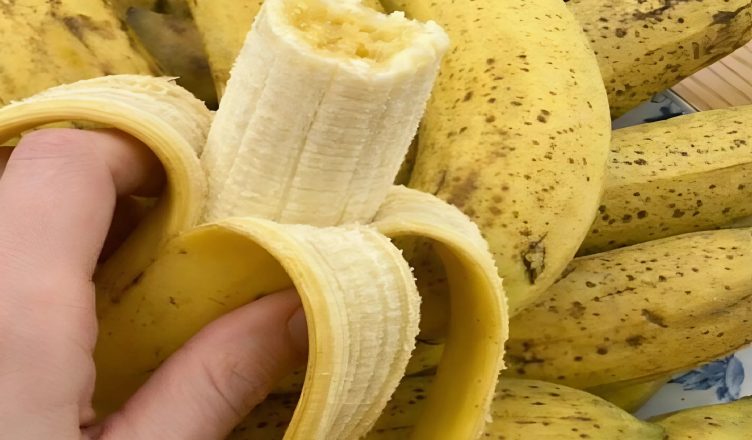
After the age of 50, the body gradually begins to function differently. Habits that once seemed completely harmless—or even highly beneficial—may start to affect your health in new ways. Experts increasingly point out that even simple, healthy foods can influence blood pressure, blood sugar levels, and heart function more noticeably as we age. One such food is the banana.
Bananas are widely considered a symbol of healthy eating. They are rich in potassium, B vitamins, fiber, and antioxidants. They are often recommended for athletes, children, and people recovering from illness. However, for individuals over 50, eating a banana every day may, in certain situations, have unexpected effects.
Why Are Bananas Considered So Healthy?
A medium-sized banana contains approximately:
400–450 mg of potassium
Natural sugars (glucose and fructose)
Dietary fiber
Vitamin B6
Magnesium
Potassium helps regulate blood pressure and supports proper muscle and heart function. Fiber promotes healthy digestion and helps maintain satiety. On the surface, this sounds ideal. But with age, the body’s internal regulation systems change.
A Hidden Concern After 50
As we grow older, kidney function can gradually decline. The kidneys may become less efficient at removing excess potassium from the body. If potassium levels rise too high in the bloodstream—a condition known as hyperkalemia—it can lead to:
Irregular heartbeat
Muscle weakness
Tingling or numbness in the limbs
Fluctuations in blood pressure
People who take medications for high blood pressure, heart failure, or diabetes should be especially cautious. Some of these medications increase potassium retention. When combined with daily banana consumption, this could elevate potassium levels further in certain individuals.

Natural Sugar Still Affects Blood Sugar
Although the sugars in bananas are natural, they still impact blood glucose levels. After 50, insulin sensitivity may decrease, meaning the body does not regulate blood sugar as efficiently as before. Eating a banana every day without considering overall carbohydrate intake may contribute to greater blood sugar fluctuations.
For individuals with prediabetes or type 2 diabetes, this becomes particularly important, as repeated glucose spikes can strain the cardiovascular system over time.
Should You Avoid Bananas?
Not necessarily. Bananas are not inherently harmful. The key lies in personal health status and dietary balance.
If you:
Do not have kidney disease
Have stable blood pressure
Maintain controlled blood sugar levels
Follow a balanced and varied diet
then one banana per day is unlikely to cause problems. In fact, it may provide steady energy and valuable nutrients.
The Most Important Factor After 50
At this stage of life, it becomes essential to:
Have regular blood tests
Monitor potassium and glucose levels
Consider how medications interact with diet
Pay attention to changes in how your body feels
The real question is not whether you should eat a banana. It’s whether your dietary habits align with your body’s evolving needs. After 50, maintaining health is less about eliminating specific foods and more about awareness, moderation, and regular medical guidance.