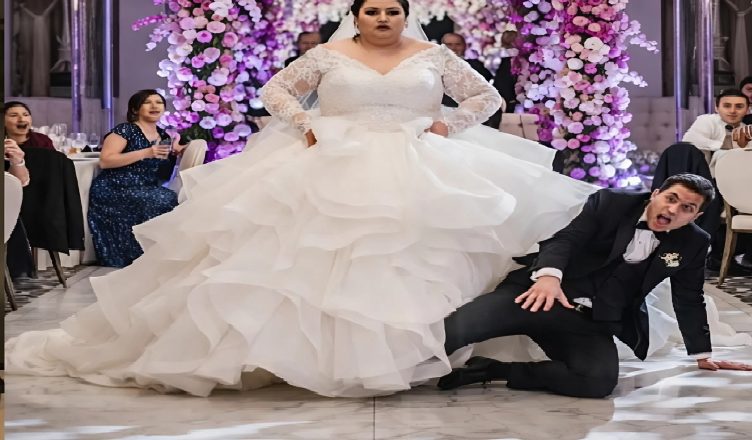
No one in the hall could have imagined that six months earlier, the groom had made a reckless bet with his friends. He had promised that he would make an “ordinary” girl fall in love with him—and then humiliate her by leaving her at the altar.
It had started out of boredom. Surrounded by equally privileged friends, the young heir wanted to prove that no woman was beyond his reach. They laughed, tossed around names, and eventually settled on Anna. A top university student, intelligent, principled, raised by a schoolteacher mother and a construction worker father. She wasn’t impressed by luxury cars or designer watches.
“You’ll never win her over,” his friends had teased. “She’s too smart for you.”
The terms were cruel: six months to gain her trust, propose, and then publicly reject her during the wedding ceremony. The bigger the humiliation, the sweeter the victory.
He played his part flawlessly. Flowers delivered to her dorm. Late-night conversations about dreams and fears. Thoughtful gestures. Carefully chosen words. He knew exactly how to make her feel safe, valued, seen. Anna fell in love not with his status, but with the man she believed him to be.
On the wedding day, however, something felt off. He seemed distracted, whispering to his friends, hiding a smirk he couldn’t quite suppress. Anna sensed the tension but convinced herself it was just nerves.
When the officiant asked if he took Anna to be his wife, silence filled the room. He paused dramatically, glanced at his friends—and said loudly:
“No. Look at us. This was just a game. I won the bet.”
Gasps rippled through the guests. A few nervous laughs escaped from the back rows. He stood there, expecting tears, a breakdown, chaos.
But Anna did not cry.
She slowly lifted her head and reached for the microphone.
“Thank you,” she said calmly, her voice steady. “Thank you for showing everyone who you truly are before I tied my life to yours.”
The room fell into a heavier silence.
Then, in a move no one anticipated, she unfastened her wedding dress. Not frantically, not in shame—deliberately. The gown slipped to the floor, revealing a tailored black suit underneath. Sharp. Elegant. Intentional.
“You really thought I didn’t know?” she continued. “I found out about your little bet months ago. One of your friends talked too loudly at a restaurant. After that, I started paying attention.”
She pulled a small flash drive from her clutch.
“Messages. Voice notes. Screenshots. Proof of everything. This morning, I sent it all to the press—and to your father’s company board.”
At that exact moment, several phones buzzed throughout the venue. Guests began checking notifications. Headlines were already spreading online: Wealthy heir exposed for cruel wedding bet. Screenshots of his messages were attached.
His face drained of color.
“You wouldn’t dare—”
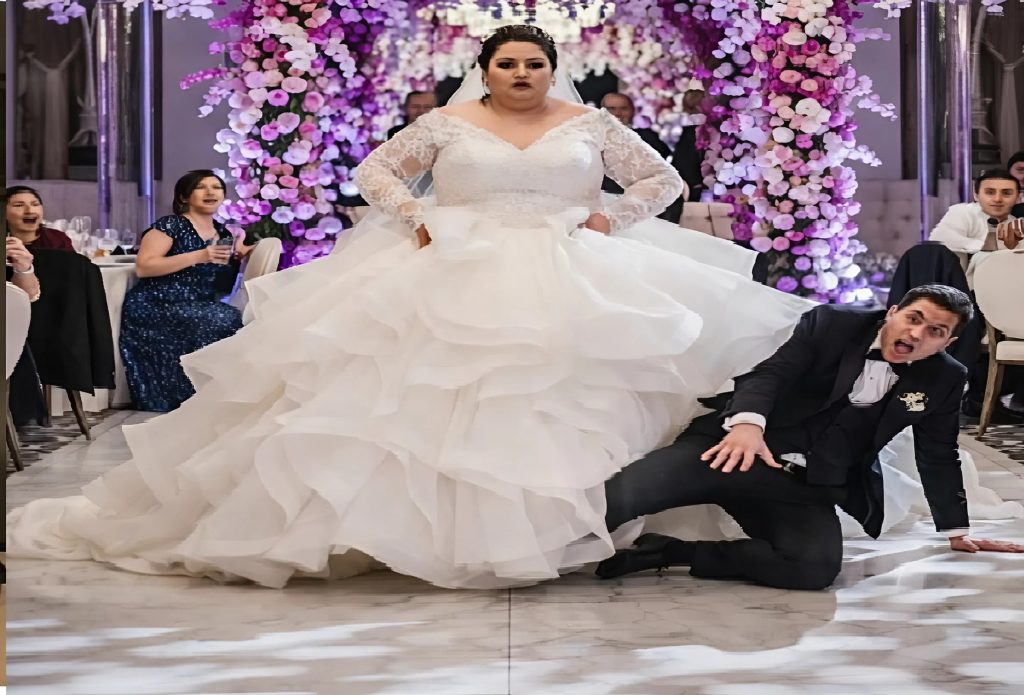
“I already did,” she replied evenly.
The friends who had laughed moments earlier were now silent, stepping away from him as if distance could erase their involvement.
“You wanted to humiliate me in public,” Anna said. “But you chose the stage.”
She picked up her wedding dress, folded it neatly, and placed it on a nearby chair.
Then she walked out—head high, shoulders straight—without a single tear.
Within hours, the story had gone viral. Public outrage grew. The family’s company released a statement condemning his behavior and announcing his temporary removal from any leadership role.
The bet that was meant to entertain had turned into a scandal with real consequences.
The next day, Anna returned to her university classes. She didn’t seek sympathy. She didn’t celebrate revenge. She simply continued her life.
He had wanted to prove he could seduce and break someone. In the end, he broke only his own reputation. And the wedding day that was meant to destroy her became the moment that revealed her strength and dignity instead.