Dut the suffocating kind that follows a sudden loss. Just a week ago, his mother had been moving quietly around the kitchen, adjusting the curtains, reminding him not to work so late. And now there was only absence.
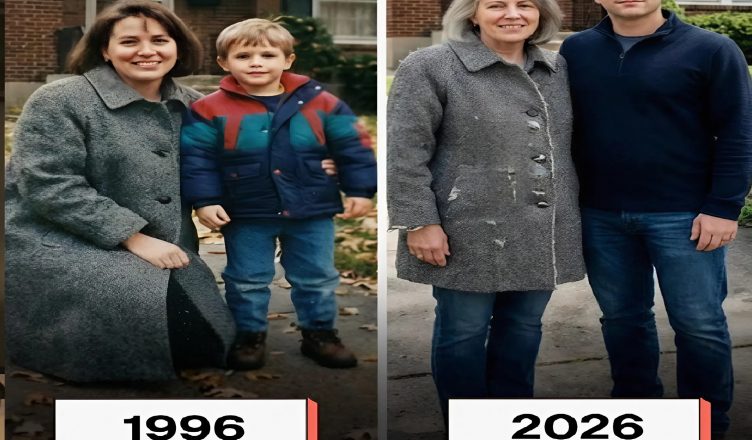
His eyes kept returning to that same old coat.
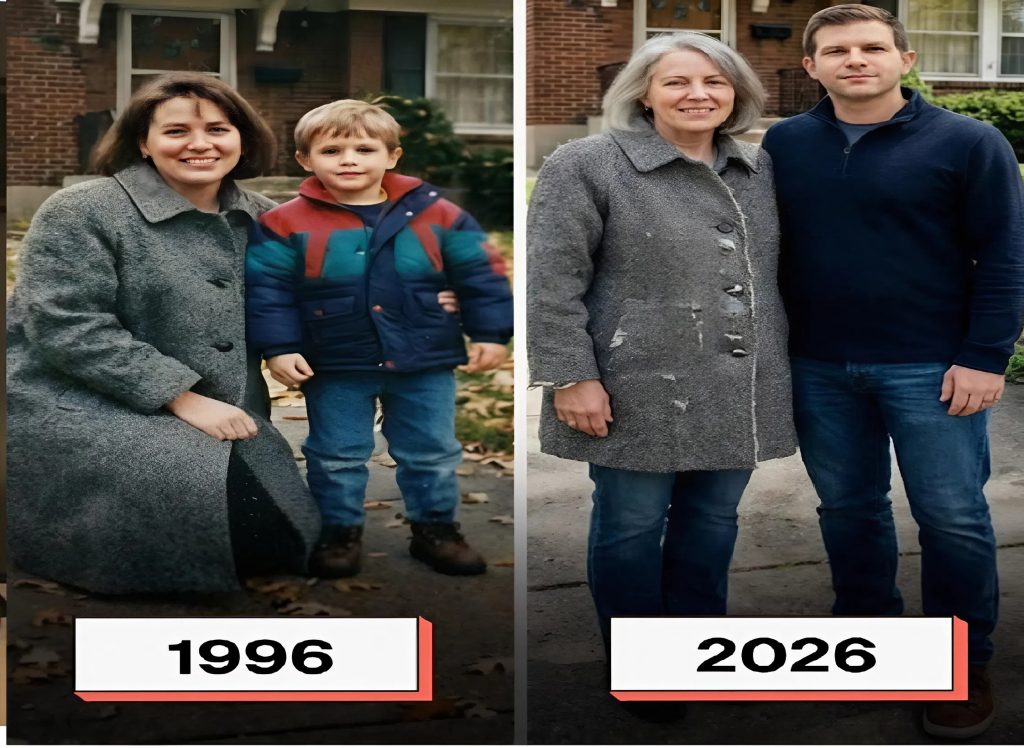
The worn sleeves. The faded fabric. The carefully mended pockets. She had worn it for thirty years, despite his constant attempts to replace it. He had argued with her about it more than once. He thought it was stubbornness. Pride. An outdated habit of unnecessary sacrifice. Every holiday he brought her something new — elegant, warm, expensive. And every time she thanked him sincerely, ran her hand over the fabric… and placed it neatly in the closet.
“This one still serves me well,” she would say softly.
On the seventh night after her funeral, he finally took the old coat off its hanger. It smelled faintly of mothballs and her perfume — a scent that carried childhood, safety, home. But something felt different. The coat was heavier than it should have been.
His hands trembled as he slipped one into the right pocket.
Envelopes.
Thick ones.
He pulled them out slowly. One. Two. Five. Ten.
Thirty letters.
Each envelope was numbered in her neat handwriting. From “1” to “30.”
He sat down on the floor, the coat pooling around him like a memory refusing to let go.
The first letter began simply:
“If you are reading this, it means I am no longer beside you. Forgive me for writing instead of speaking. It has always been easier for me to put my heart on paper.”
The words blurred almost immediately.
She wrote about the year his father died, leaving her alone with a baby and debts. About how there were nights she skipped dinner so he could have milk. About selling her wedding ring to pay for his treatment when he fell gravely ill at age six. The coat, she explained, had been purchased on clearance because it was sturdy and meant to last.
In the second letter, she addressed the question he had asked for years.
“Every time you brought me a new coat, I was proud. But I saw how tired you were. I knew how hard you worked. I didn’t need something expensive. I needed to know you weren’t sacrificing your own comfort for mine.”
He pressed his hand against his mouth to hold back a sound that felt too raw to release.
Letter after letter revealed a version of his mother he had never fully understood. She had kept careful track of his achievements — even the small ones he dismissed. She had worried when he didn’t call. She had prayed quietly for him at night. She had allowed him to be frustrated with her, because she knew his frustration came from love.
But it was Letter Twenty-Seven that stopped his breathing.
“I did not keep wearing the old coat only to save money. I kept it because the pockets held my truth. Each year, on your birthday, I wrote you a letter. In case my heart failed me suddenly. I did not want you to be left with silence.”
He remembered the way she sometimes pressed her hand to her chest, brushing it off when he insisted she see a doctor.
The final envelope — Number Thirty — was thinner than the others.
“My last request is simple. Do not live with guilt. Do not measure your love by what you bought me. You gave me everything I ever hoped for — your kindness, your strength, your life. If you wish to honor me, live fully. Travel. Laugh. Love deeply. And when you see an old woman in a worn coat, do not judge her. There may be a lifetime hidden in her pockets.”
He read those lines again. And again.
All those years he believed he was caring for her by buying things. He never realized she had been protecting him — from debt, from pressure, from unnecessary sacrifice. She didn’t want luxury. She wanted his peace.
The coat no longer looked outdated or sad.
It looked powerful.
It was not a symbol of poverty. It was a quiet monument to endurance. To dignity. To a love that never demanded recognition.
In the morning, he carefully placed the letters back inside the pockets. But he did not return the coat to the wardrobe.
He hung it by the front door.
Not as a relic.
But as a reminder.
Sometimes the deepest truths are stitched into the smallest details. And sometimes, to truly understand someone, you must be brave enough to reach into their pockets — and face what they saved for you all along.