“Is he okay?”
The woman hesitated — just for a fraction of a second — but that pause told me everything before her lips even moved.
“He passed away yesterday morning,” she said quietly. “My name is Laura Dalton. He was my grandfather.”
The coffee mug slipped from my hand and shattered on the kitchen floor.
“I’m so sorry,” I whispered, stunned. “I had no idea. I only met him once… at the store.”
Laura nodded slowly. “That’s exactly why I’m here.”
She asked if we could sit down. My legs felt weak, but I stepped aside and let her in. As she sat at my kitchen table, she pulled a folded envelope from her bag — worn, creased, like it had been opened and closed many times.
“He talked about you,” she said. “Nonstop. For two days.”
I frowned. “Me?”
“Yes. The woman who didn’t sigh. Who didn’t roll her eyes. Who didn’t treat him like a burden.”
She swallowed hard.
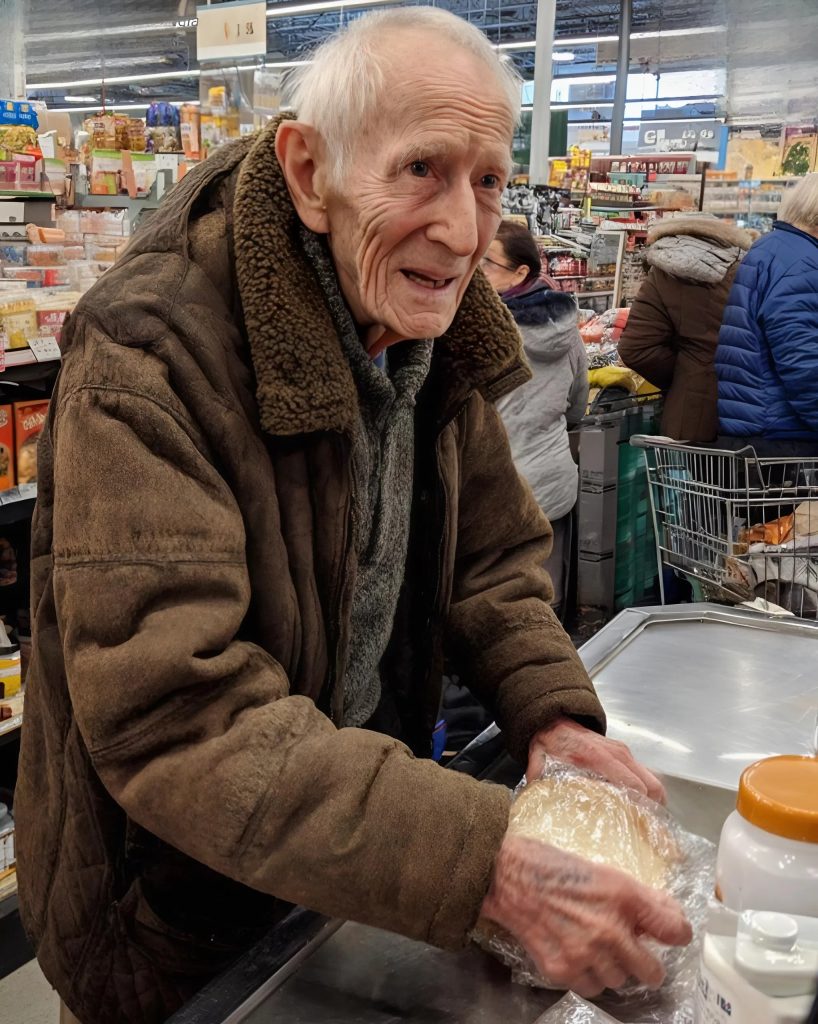
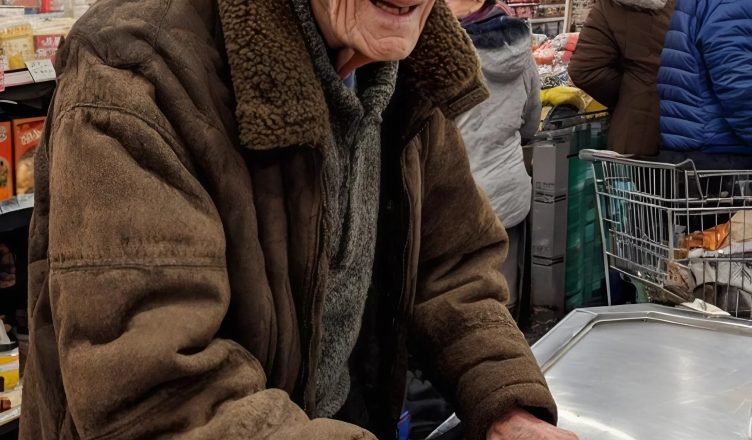
“My grandfather was proud once,” Laura continued. “He worked thirty-eight years as a machinist. Never missed a day. After my grandmother died, things… unraveled. Medical bills. Rent hikes. Pride kept him silent.”
I felt a lump rise in my throat.
“That night you helped him,” she said, “he came home and cried. I hadn’t seen him cry since I was a child.”
Tears burned my eyes.
“He said, ‘For the first time in years, someone looked at me like I still mattered.’”
Laura slid the envelope across the table.
“This is his last request.”
My hands trembled as I opened it.
Inside was a short letter — shaky handwriting, words carefully chosen.
To the woman who saved me from humiliation,
You didn’t just buy me food. You gave me dignity.
I don’t have much, but I don’t want your kindness to disappear the way I will.
Please accept this, and if you can… use it to remind someone else they’re not invisible.
Folded inside the letter was a key.
Not a house key.
A storage unit key.
Laura watched my face. “He asked me to bring you there.”
An hour later, I stood beside her in front of a small, rusted storage facility on the edge of town. The kind people forget exists — until they need it.
Inside the unit were neatly stacked boxes.
Photos.
Old notebooks.
Tools wrapped in cloth.
And one metal lockbox.
Laura opened it.
Inside were envelopes — dozens of them — each labeled with a name.
“Soup Kitchen,” “School Fund,” “Church Pantry,” “Anonymous.”
Cash.
Not thousands. Not even hundreds per envelope.
But carefully saved money.
Years of it.
“He skipped meals,” Laura whispered. “So he could do this.”
At the bottom of the box was one final envelope.
It had my name on it.
Inside was a handwritten note and $300.
“He said,” Laura’s voice cracked, “‘She paid when she didn’t have to. I want her to know that kindness comes back — even if I’m not here to see it.’”
I broke down right there in that cold storage unit.
I thought about my own exhaustion.
My bitterness.
My constant feeling that the world had taken too much from me already.
And suddenly, I understood something I had forgotten.
Kindness isn’t about having extra.
It’s about choosing humanity when it costs you something.
That $300 didn’t change my life financially.
But it changed me.
I used it to start something small — grocery gift cards, handed quietly to people who looked like they were holding on by a thread.
Every time I help someone now, I think of Mr. Dalton.
Of shaking hands.
Of declined cards.
Of dignity.
And I realize something terrifying and beautiful all at once:
You never know when a small moment will become someone’s final memory.
So choose it carefully.
Because sometimes, the smallest act of kindness becomes someone’s last miracle.